
Kitten Characteristics
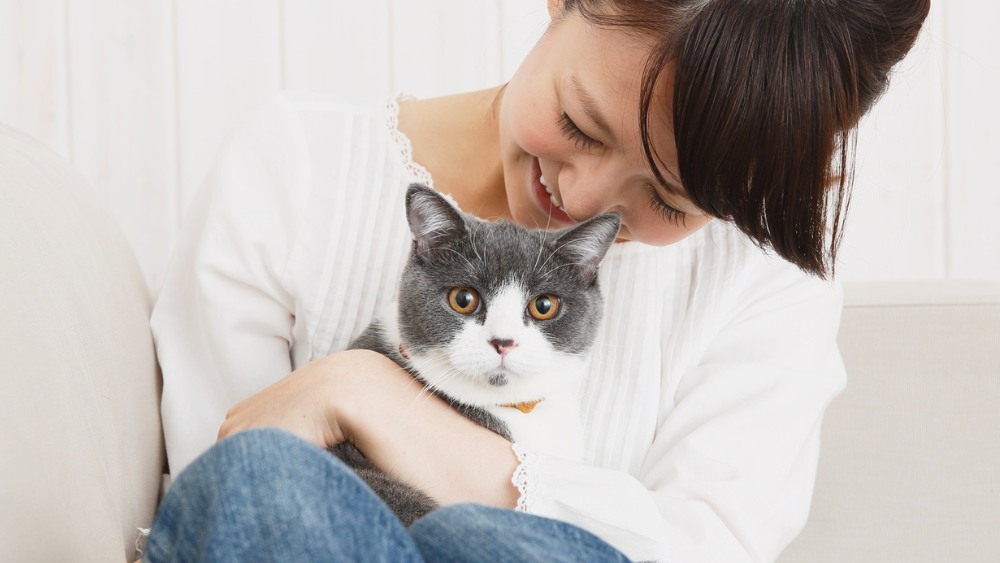
Understanding and Managing Allergies to Kittens and Cats
Cats groom themselves two to five hours or 30-50% a [...]
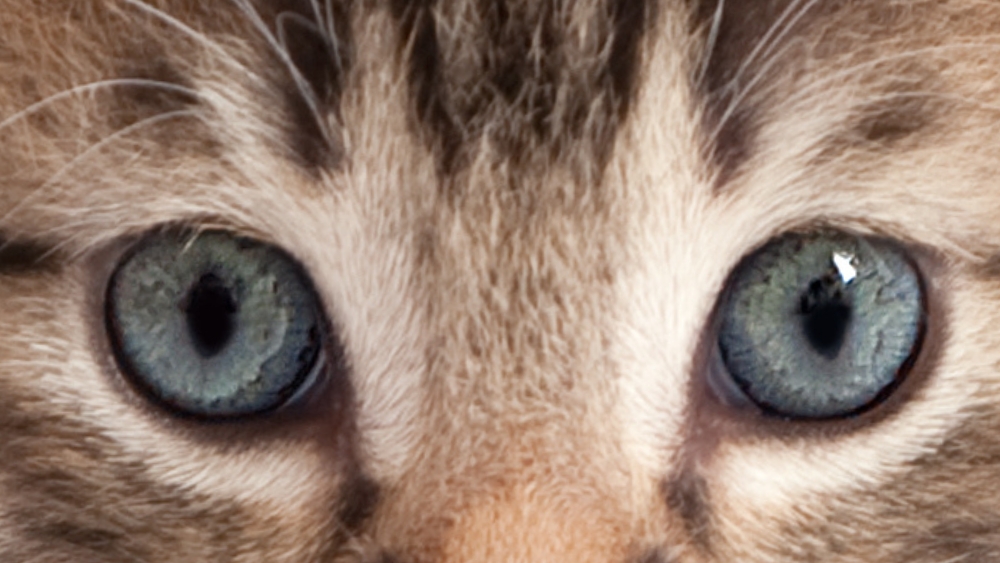
Kitten Vision: More Than Meets the Eye
The Anatomy of Feline Eyes To better understand the development [...]
Hair: The Long and Short of It (Part 1)
In part 1 of this 3-part series, we discuss what [...]
Hair: The Long and Short of It (Part 2)
In part 2 of this 3-part series, we discuss hair [...]
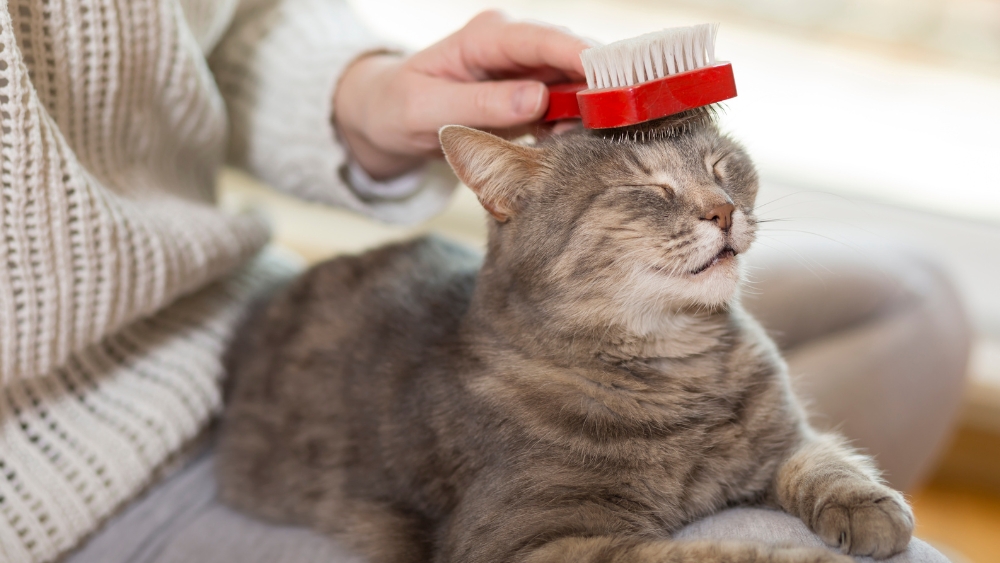
Hair: The Long and Short of It (Part 3)
In part 3 of this 3-part series, we discuss grooming. [...]
Tuesday Tips
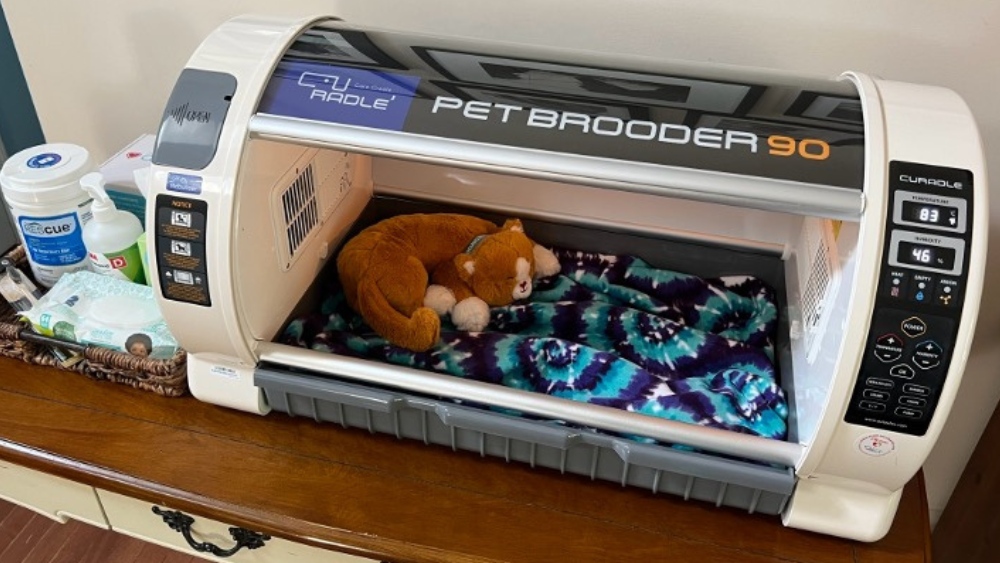
Increasing Neonatal Kitten Survival with Incubators
The importance of providing environmental warmth for neonatal kittens cannot [...]

Rectal Prolapse in Kittens
What Is Rectal Prolapse in Kittens? Rectal prolapse, which may [...]

Fever Coat in Kittens
Fever coat, also known as stress coat, is a temporary [...]
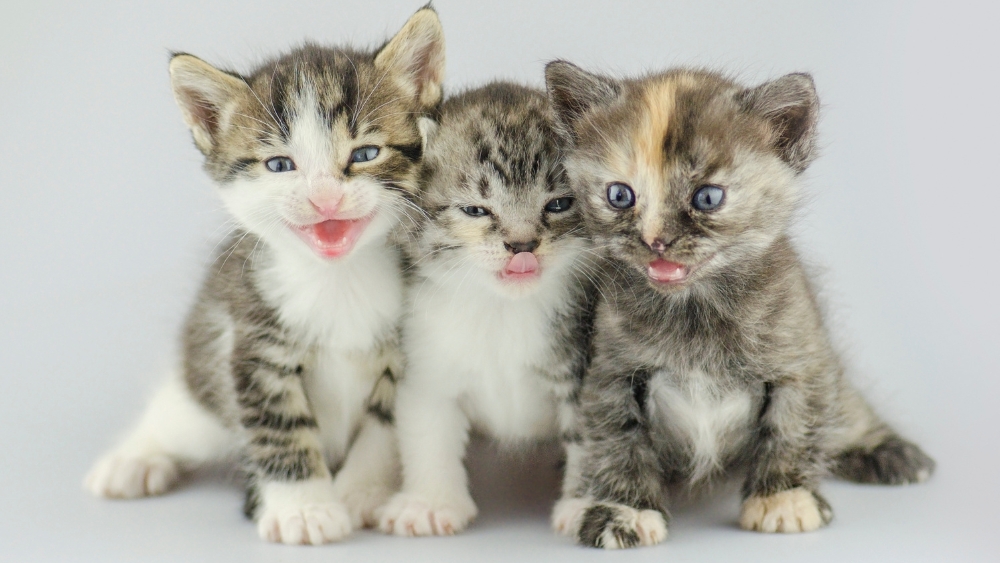
Mixing Underage Kittens
Limiting exposure to infectious diseases while providing opportunities for same-species [...]

Twisted Legs in Kittens
Kittens can occasionally be born with one or more legs [...]

Understanding Vascular Ring Anomaly in Kittens
What Is Vascular Ring Anomaly in Kittens? Vascular ring anomaly [...]
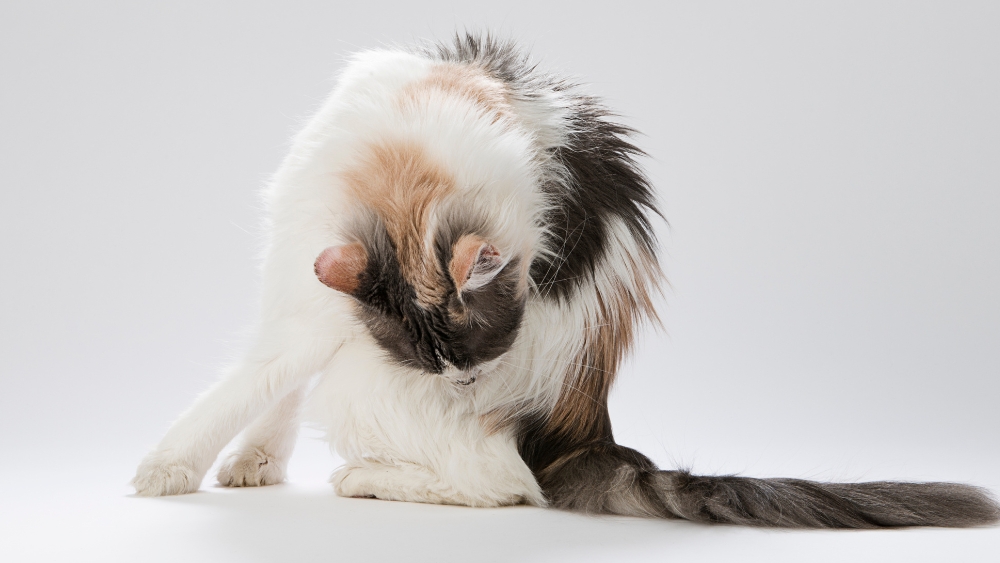
Hairballs and Vomiting…What’s It All About?
Vomiting a hairball now and then is, at best, an [...]
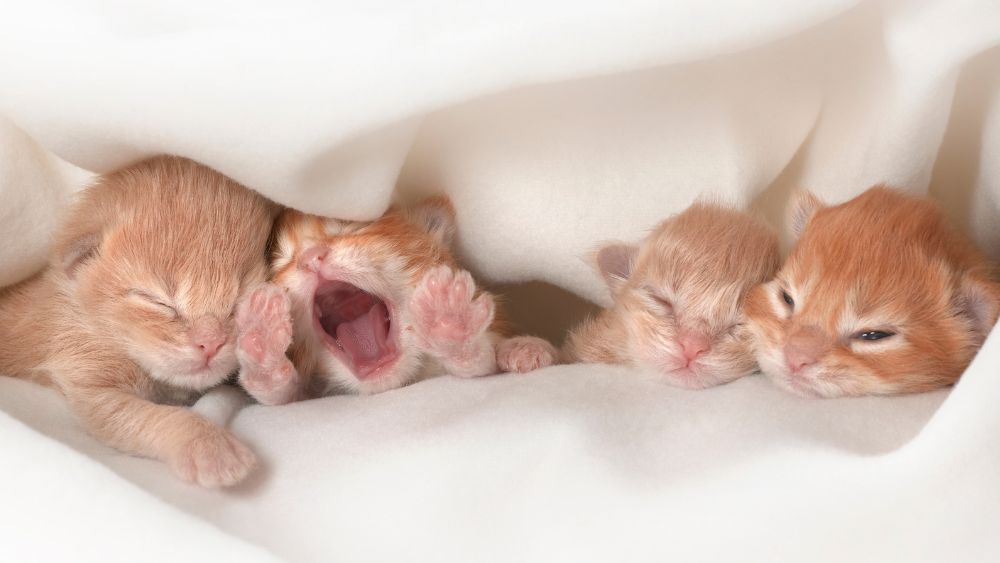
Atresia Ani in Kittens
What Is Atresia Ani in Kittens? Atresia ani is a [...]
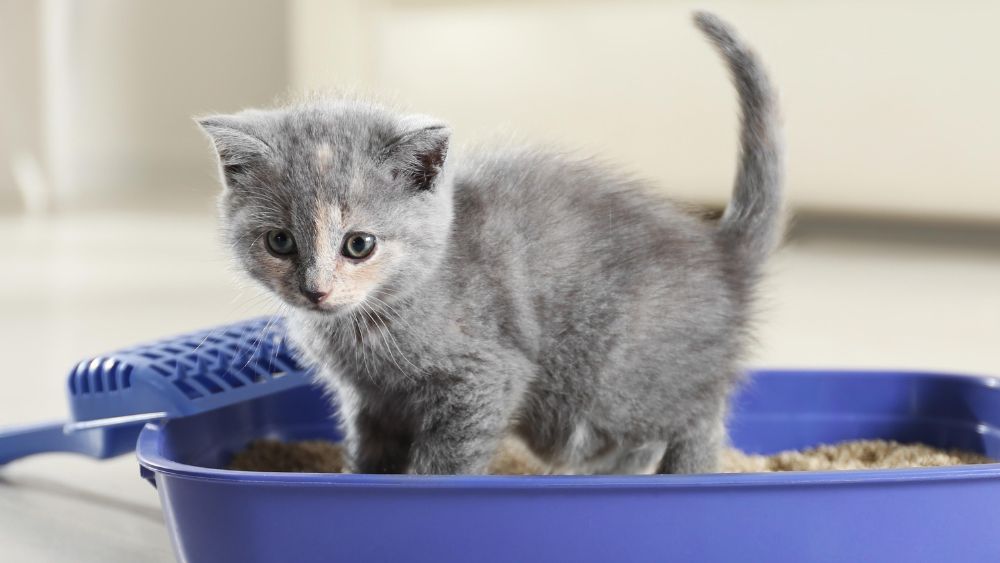
Coccidiosis in Kittens
What Is Coccidiosis? Coccidiosis is an intestinal tract infection caused [...]
Special Focus: Critical Care for Kittens
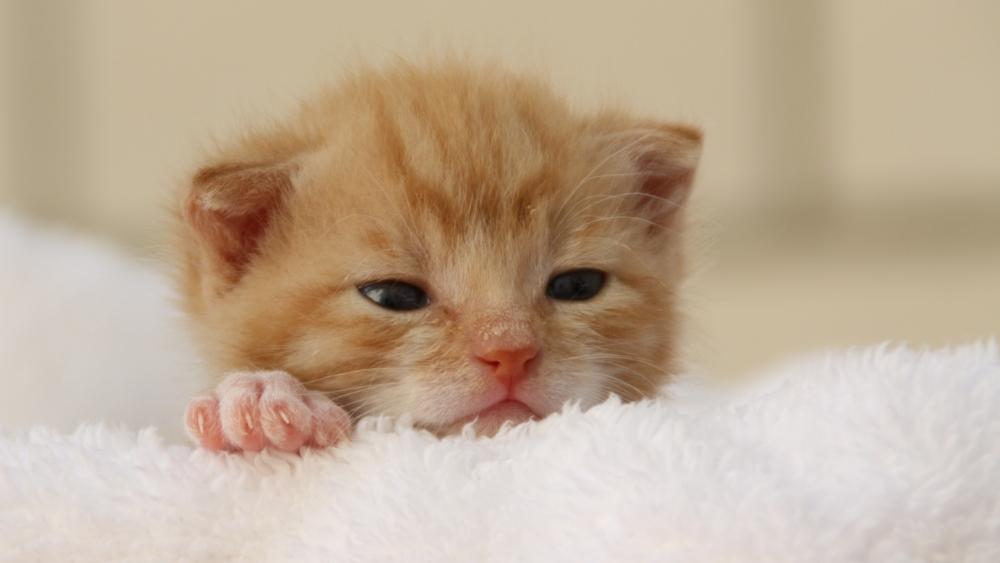
Critical Care for Kittens–Hypothermia: Part 1 of 4
Medical emergencies involving pets commonly involve trauma (hit by a car, sustained [...]

Critical Care for Kittens–Hypoglycemia: Part 2 of 4
In part 1 of this series on Critical Care for Kittens, we [...]
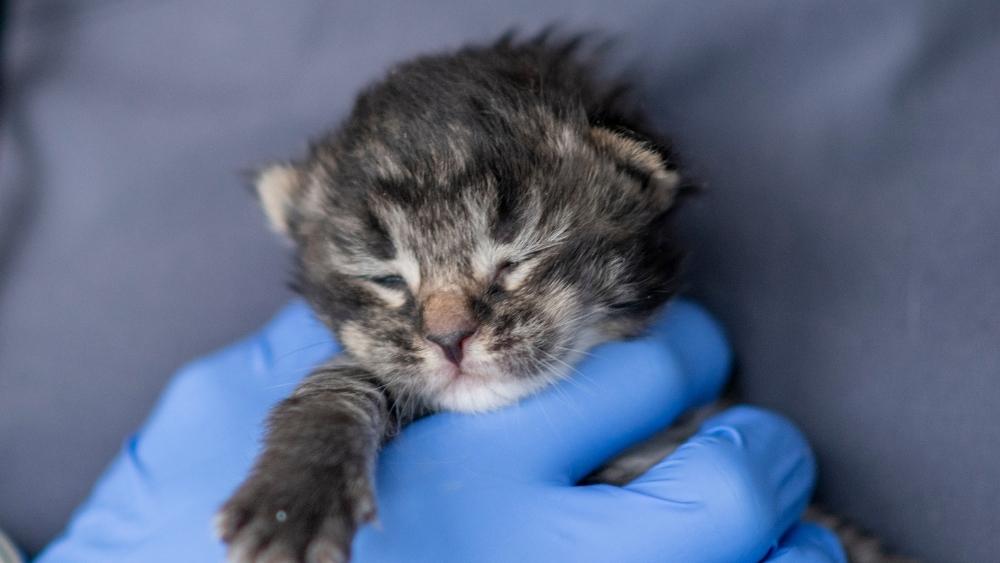
Critical Care for Kittens–Dehydration: Part 3 of 4
In parts 1 and 2 of this series on Critical Care for [...]
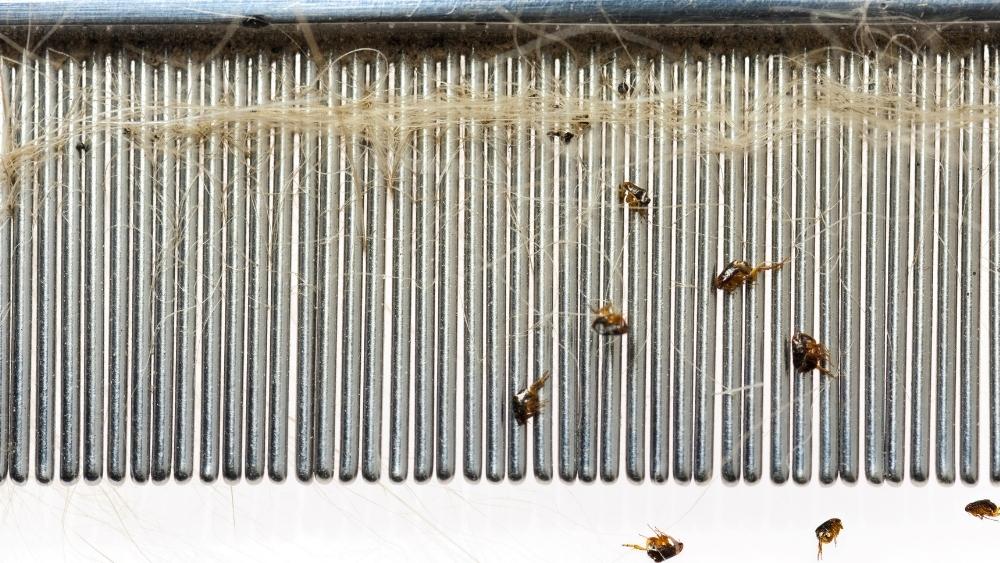
Critical Care for Kittens–Flea Anemia: Part 4 of 4
In parts 1, 2 and 3 of this series on Critical Care [...]
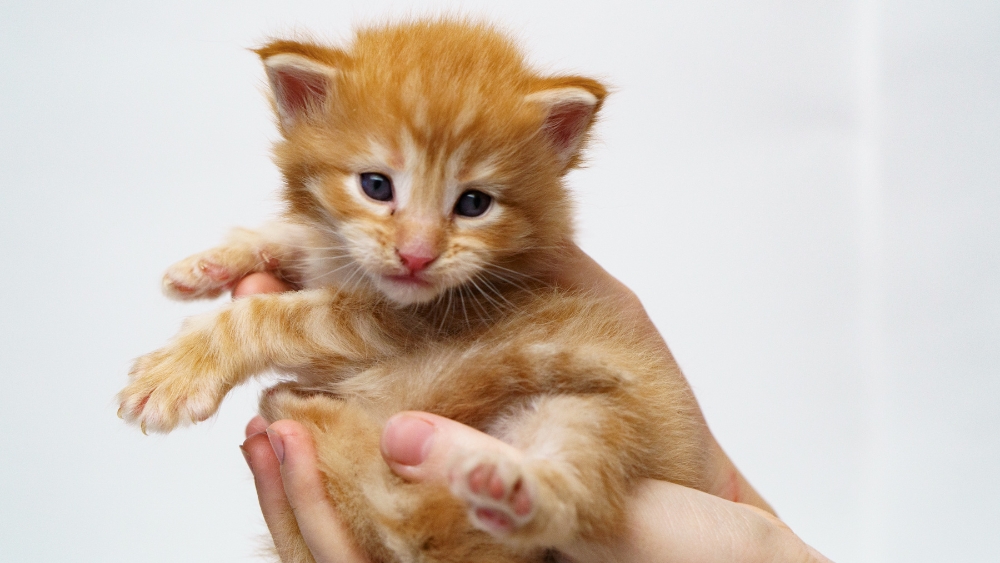
Feline Panleukopenia Virus (aka Distemper) in Kittens: Immediate Care May Save Lives
Sadly, kittens are at highest risk for feline panleukopenia virus (FPV). Even [...]
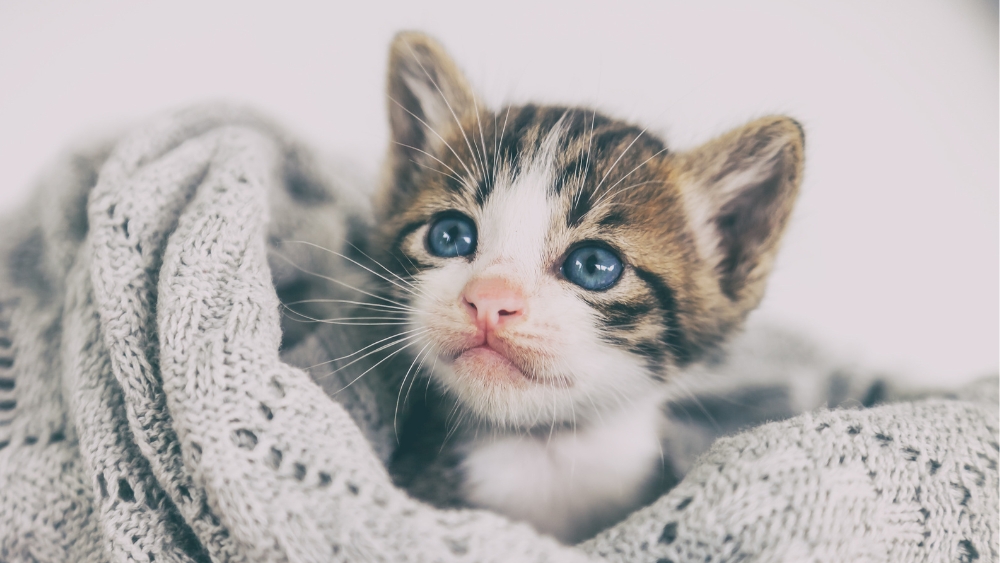
Common Eye Problems in Kittens
Eye problems in kittens can be acquired through infection or injury in [...]
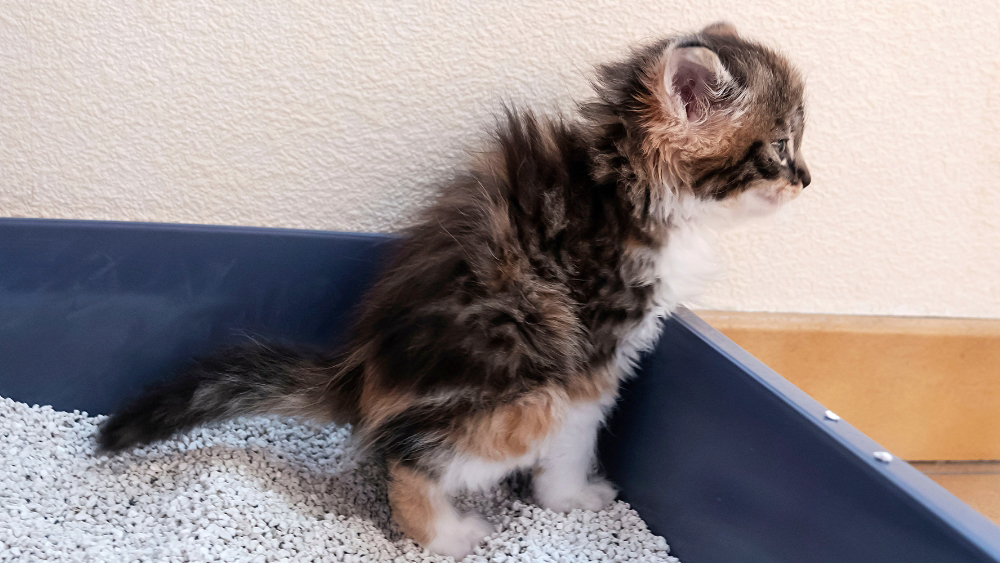
Understanding the Causes and Treatment for Constipation in Kittens
Constipation is defined as the infrequent, incomplete or difficult defecation with passage of [...]

Preemies: Helping Kittens Born Early
Kittens are born blind, deaf, unable to regulate their body temperature and [...]
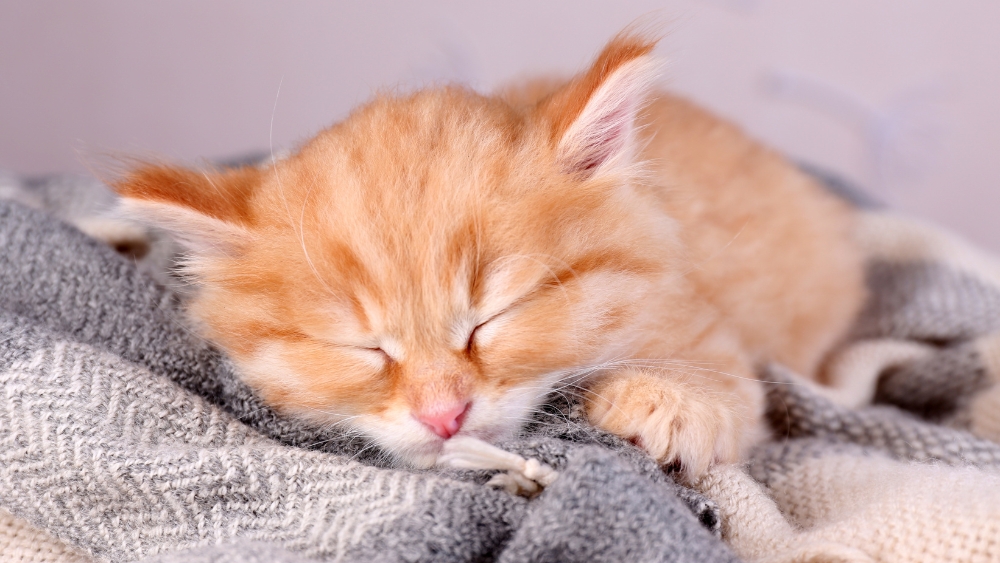
Identifying Emergency and Urgent Situations in Kittens: What to Do Until Veterinary Care Is Available
Some injuries or symptoms are more urgent in kittens because of their [...]
Special Focus:Understanding and Defeating Feline Infectious Peritonitis (FIP)
The Role of Feline Coronavirus (FCoV): Part 1 of 5
IMPORTANT UPDATE: Since this FIP blog series was written, advancements have [...]
The Basics of FIP: Part 2 of 5
IMPORTANT UPDATE: Since this FIP blog series was written, advancements have [...]
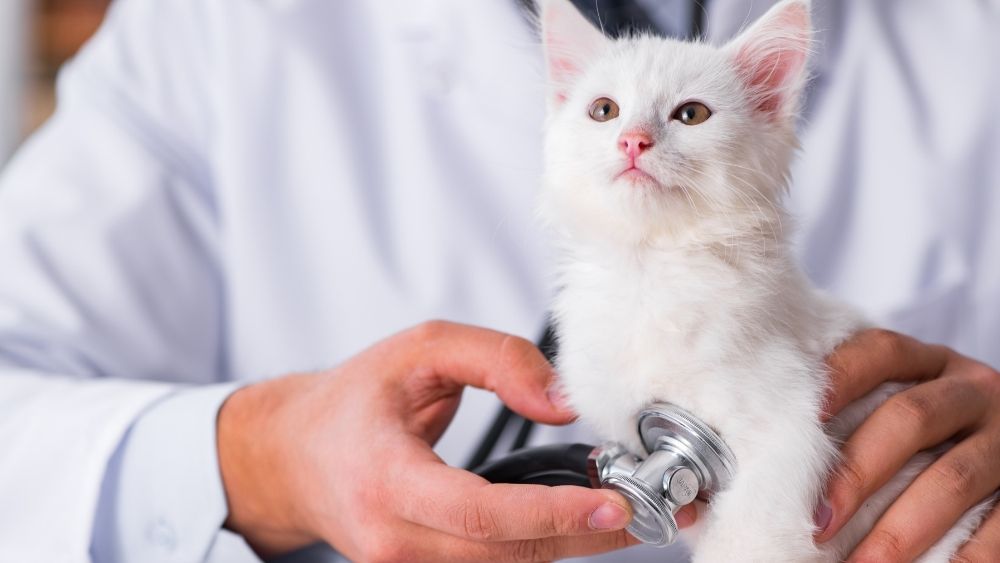
The Symptoms and Diagnosis of FIP: Part 3 of 5
IMPORTANT UPDATE: Since this FIP blog series was written, advancements have [...]
Control and Prevention of FIP: Part 5 of 5
IMPORTANT UPDATE: Since this FIP blog series was written, advancements [...]

Treatment of FIP: Part 4 of 5
IMPORTANT UPDATE: Since this FIP blog series was written, advancements have [...]
Special Focus: Understanding Feline Immunodeficiency Virus (FIV)
Understanding Feline Immunodeficiency Virus (FIV): Transmission and Testing
This is part 1 of this 3-part series on FIV. [...]
Understanding Feline Immunodeficiency Virus (FIV): Prevention and Support
This is part 3 of this 3-part series on FIV. [...]
Special Focus: Understanding Feline Leukemia Virus (FeLV) and Supporting FeLV-Positive Cats
Understanding Feline Leukemia Virus (FeLV) and Supporting FeLV-Positive Cats: Transmission
This is part 1 of this 3-part series on FeLV. Part 2 covers symptoms and diagnosis, and part 3 covers treatment and prevention. [...]

Understanding Feline Leukemia Virus (FeLV) and Supporting FeLV-Positive Cats: Symptoms and Diagnosis
This is part 2 of this 3-part series on FeLV. Part 1 covers transmission, and part 3 covers treatment and prevention. During the [...]
Understanding Feline Leukemia Virus (FeLV) and Supporting FeLV-Positive Cats: Treatment and Prevention
This is part 3 of this 3-part series on FeLV. Part 1 covers transmission, and part 2 covers symptoms and diagnosis. At the [...]
Kitten Care Tips
“Nursing” Gone Wrong: Cross-Sucking in Orphaned Kittens
If you’ve encountered cross-sucking in kittens you’ve fostered, you know [...]
Good Kitty: Satisfying Your Kitten’s Need to Scratch and Saving Your Furniture
Scratching is normal cat behavior. Kittens begin to retract their claws [...]
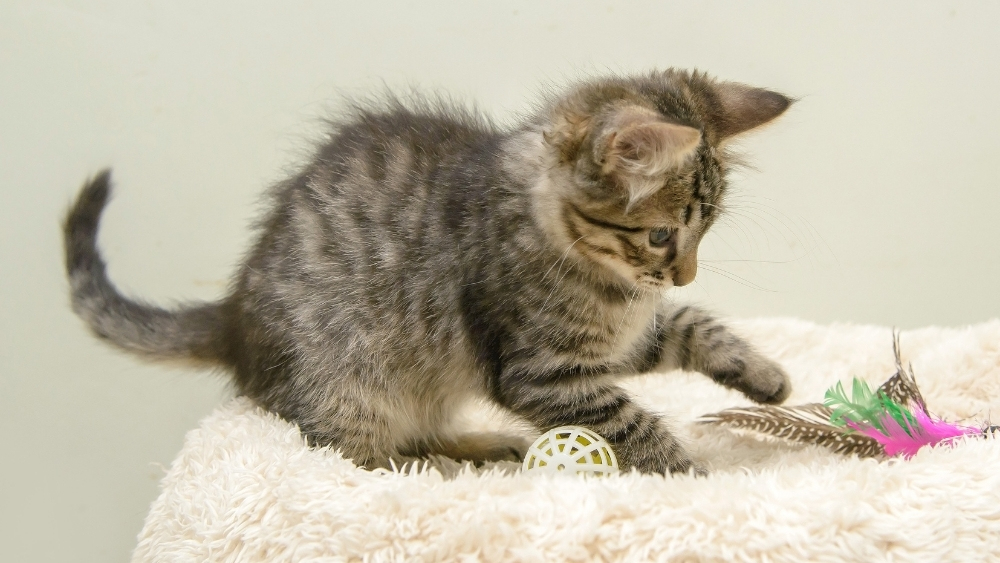
One Is the Loneliest Number: Single Kitten “Syndrome” Behaviors
Have you ever heard an animal shelter or rescue organization [...]
Special Focus:Trap-Neuter-Return
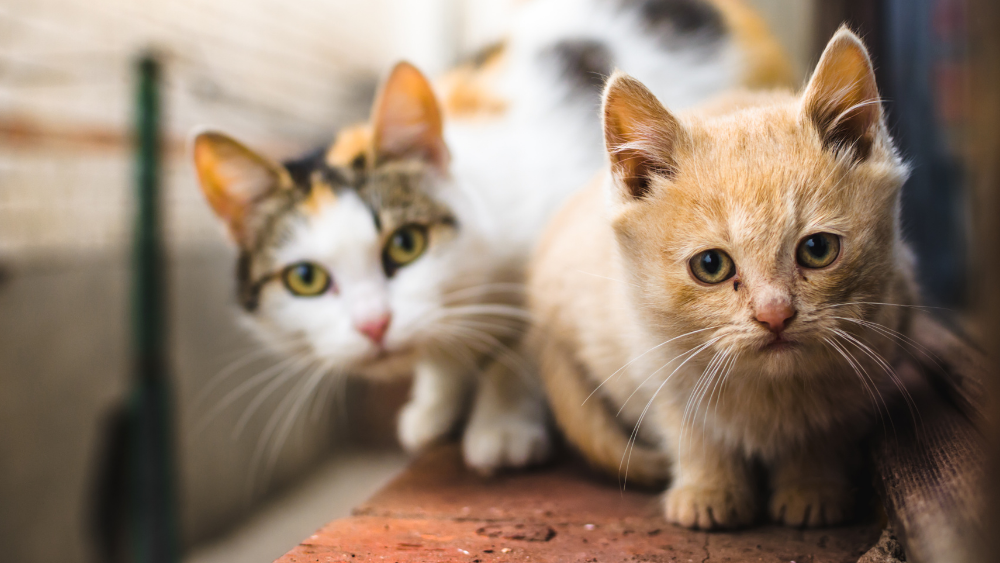
Effectively Managing Community Cats with Trap-Neuter-Return (TNR): Considerations for Moms and Kittens
Kittens have their best chance of survival with a healthy [...]
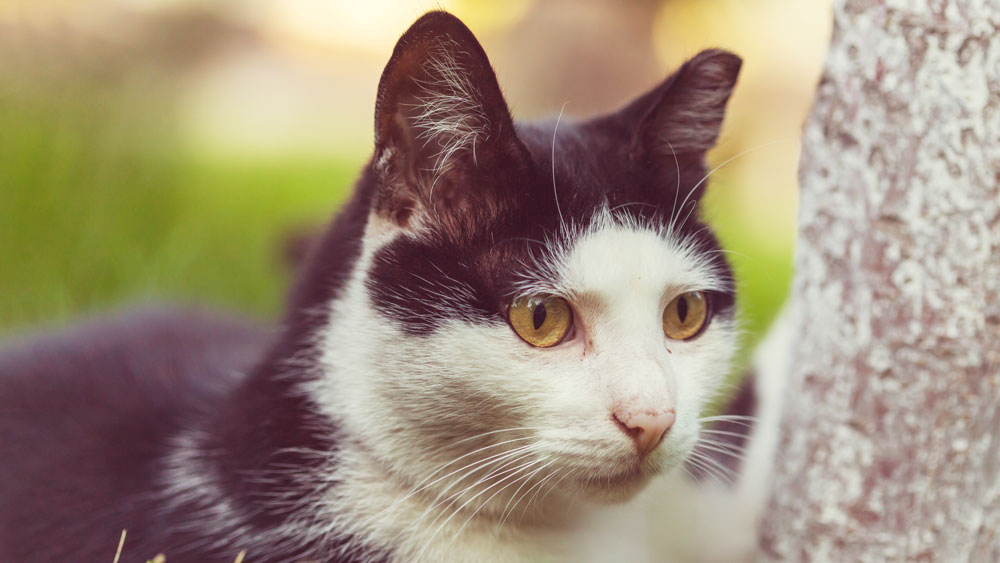
Effectively Managing Community Cats: Veterinarians Are Just What the Doctor Ordered
Veterinarians play a critical role in the wellbeing of feral [...]
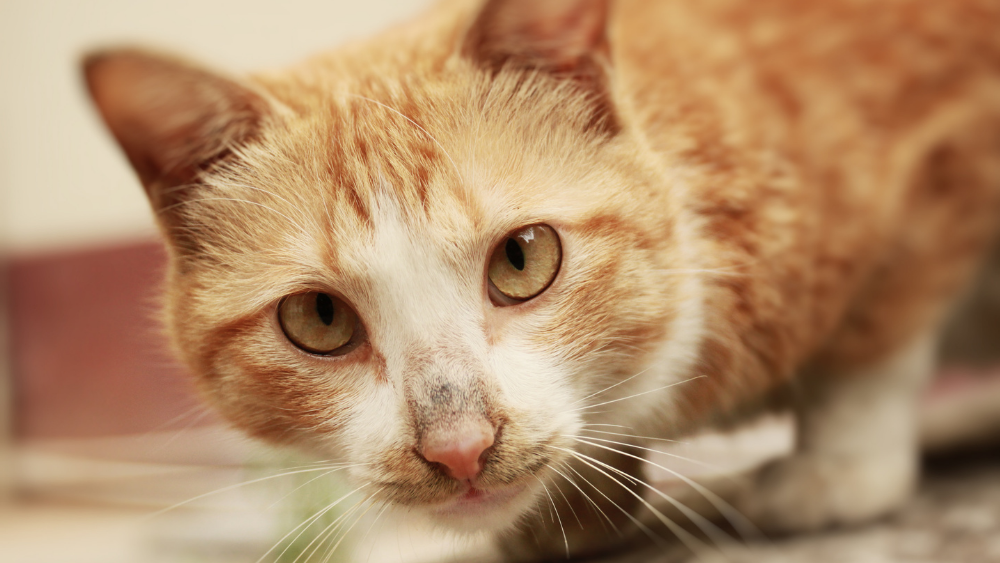
Effectively Managing Community Cats: Words and Actions Matter
The term “feral” should only be used to refer to [...]
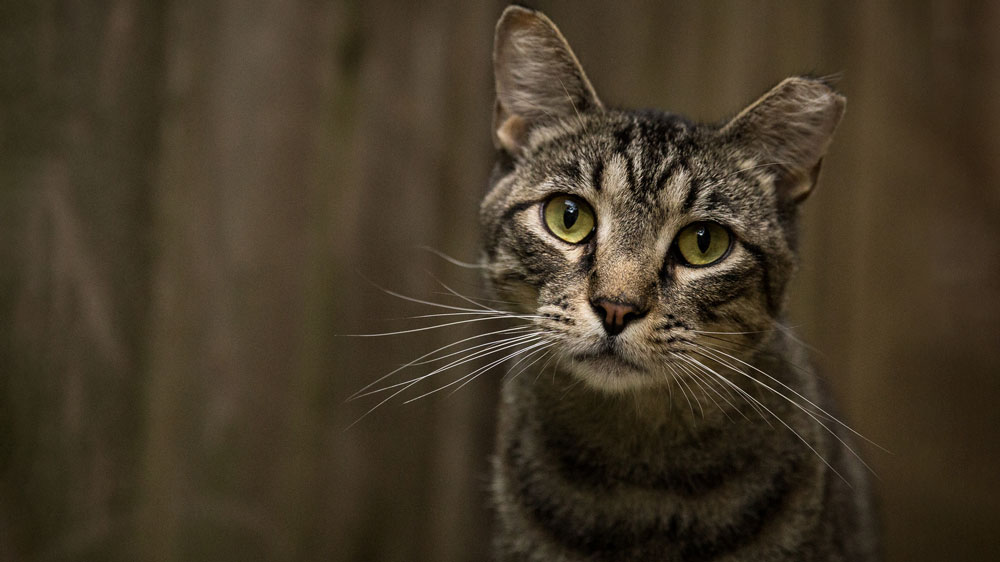
Effectively Managing Community Cats: Trap-Neuter-Return (TNR)
TNR had its beginnings in the United Kingdom in the [...]
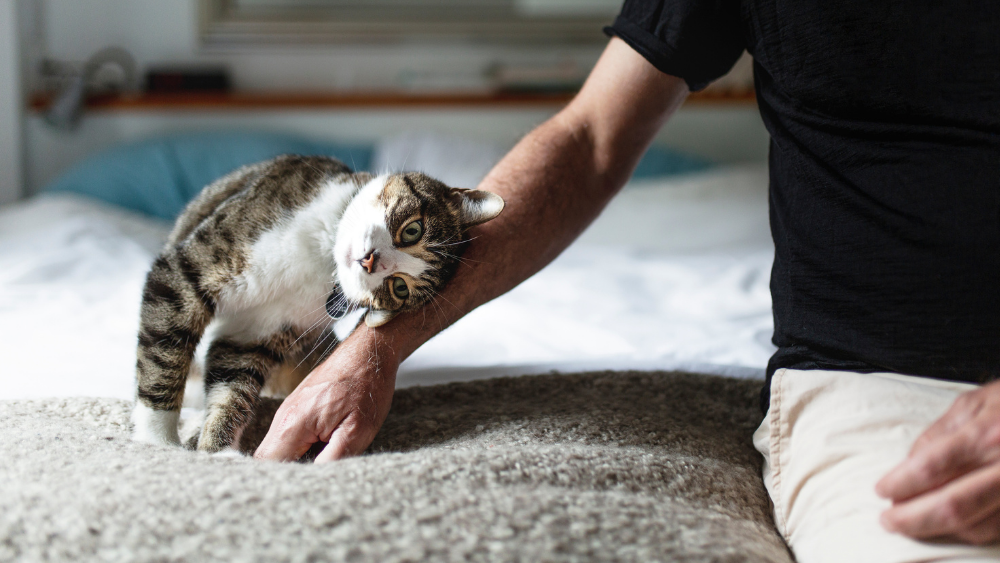
Effectively Managing Community Cats: Feral or Stray?
Community cats may be feral cats living outdoors who are [...]
The Kitten Post
To receive The Kitten Post in your inbox, quarterly, sign up for it here!
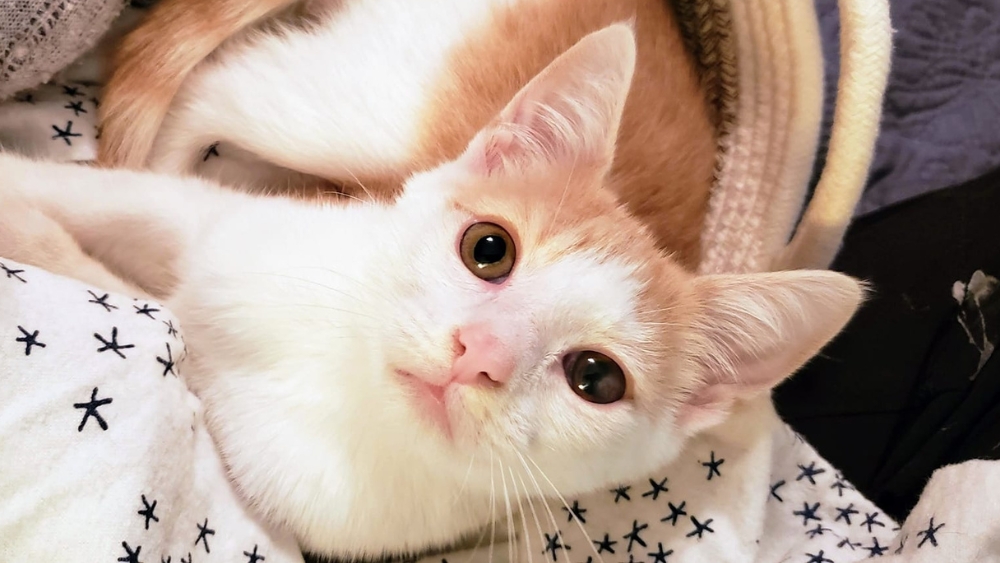
A Foster Mom’s Diary of a Resilient Kitten
Although most dream of warm, relaxing summer days, every kitten [...]
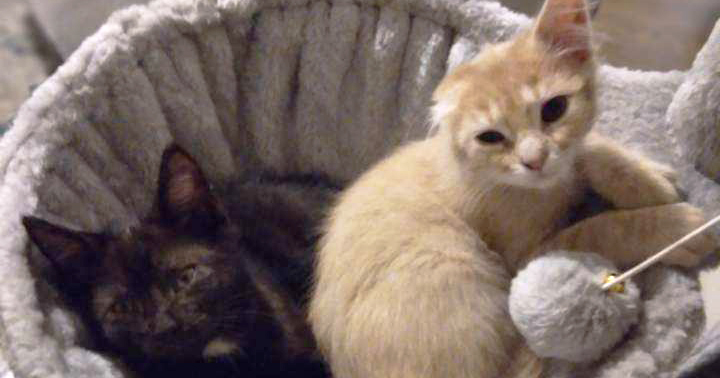
A Tiny Tiger’s Fight for Survival
Even as a recent graduate from an accelerated veterinary technician school, I [...]
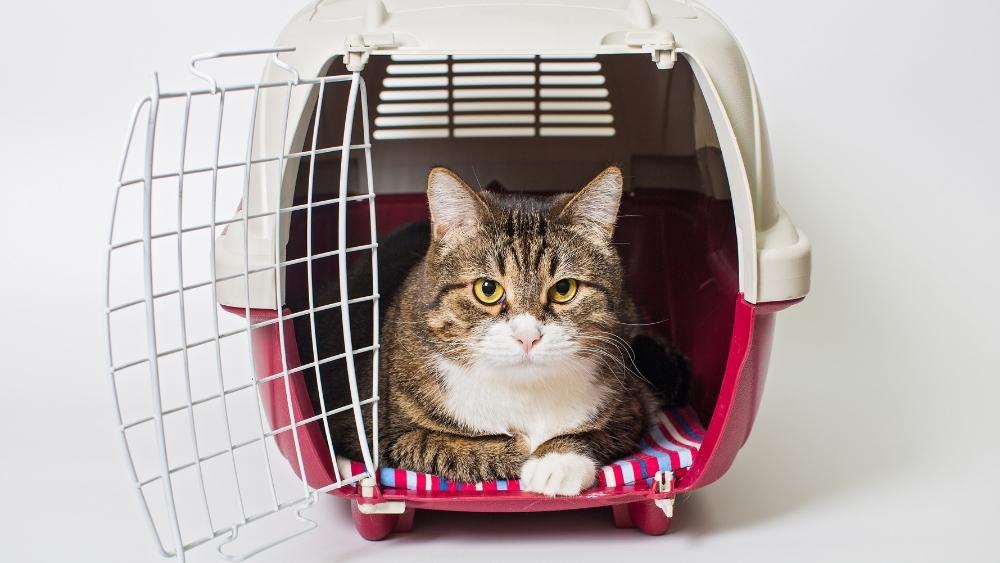
If Emergency Strikes: Be Prepared and Keep Calm
It’s finally summer. Fun-in-the-sun time. Not so fast. Even if [...]

- Identifying Emergency and Urgent Situations in Kittens: What to Do Until Veterinary Care Is Available October 2, 2026Some injuries or symptoms are more urgent in kittens because of their small size and developing immune systems and therefore require faster assessment and treatment than they would in adult cats. However, when in doubt, consider a situation an emergency. If you are fostering for a shelter or rescue organization, follow the emergency [...] The […]
- Increasing Neonatal Kitten Survival with Incubators May 5, 2026The importance of providing environmental warmth for neonatal kittens cannot be overstated. The results of a 2025 study conducted by the University of Davis School of Veterinary Medicine (see Resource Section) suggested that housing kittens in warm conditions (90°F/32°C) and either 50% or 60% humidity optimized weight gain and survival, as well as [...] The […]
- Understanding and Managing Allergies to Kittens and Cats January 12, 2026Cats groom themselves two to five hours or 30-50% a day. Normal grooming keeps their hair clean, cools them, and relieves stress by releasing endorphins and providing comfort. Allogrooming (grooming among members of the same species) builds social bonds by creating a common group scent. Allogrooming often indicates hierarchy with higher-ranking cats grooming [...] The […]
- Identifying Emergency and Urgent Situations in Kittens: What to Do Until Veterinary Care Is AvailableSome injuries or symptoms are more urgent in kittens because of their small size and developing immune systems and therefore require faster assessment and treatment than they would in adult cats. However, when in doubt, consider a situation an emergency. If you are fostering for a shelter or rescue organization, follow the emergency [...] The […]
- Increasing Neonatal Kitten Survival with IncubatorsThe importance of providing environmental warmth for neonatal kittens cannot be overstated. The results of a 2025 study conducted by the University of Davis School of Veterinary Medicine (see Resource Section) suggested that housing kittens in warm conditions (90°F/32°C) and either 50% or 60% humidity optimized weight gain and survival, as well as [...] The […]
- Understanding and Managing Allergies to Kittens and CatsCats groom themselves two to five hours or 30-50% a day. Normal grooming keeps their hair clean, cools them, and relieves stress by releasing endorphins and providing comfort. Allogrooming (grooming among members of the same species) builds social bonds by creating a common group scent. Allogrooming often indicates hierarchy with higher-ranking cats grooming [...] The […]