
Kitten Characteristics
Tuesday Tips
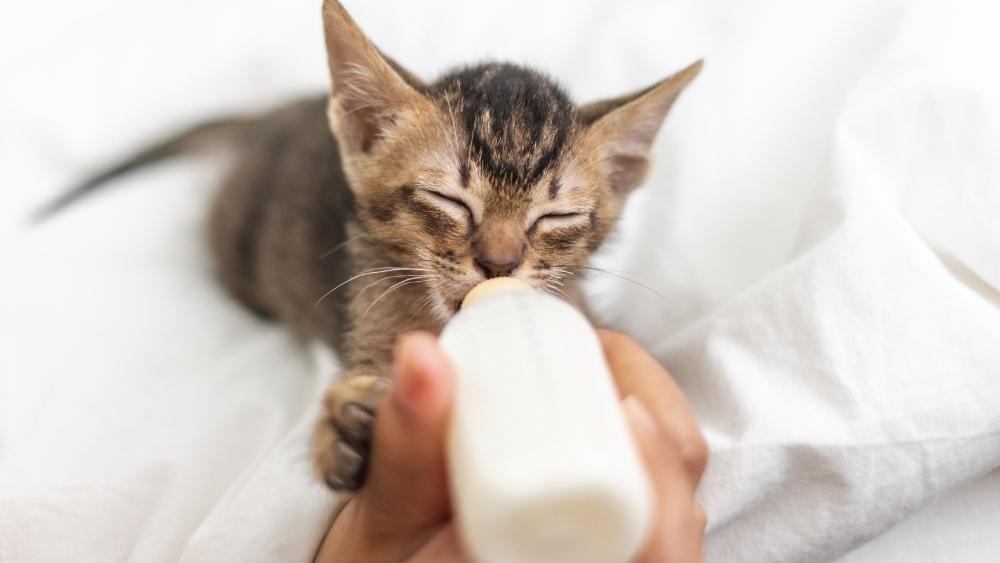
Understanding, Preventing and Treating Refeeding Syndrome: Part 2
This is part 2 of a 2-article series on refeeding [...]
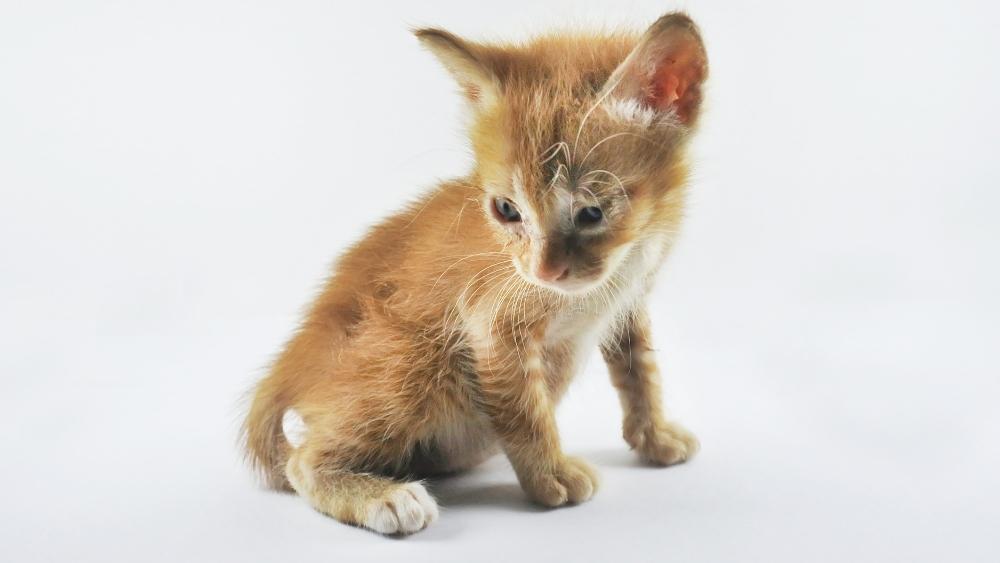
Understanding, Preventing and Treating Refeeding Syndrome: Part 1
This is part 1 of a 2-article series. It focuses [...]
Talking Cats on Social Media
LOL! We’re not referring to cats who talk, although there [...]
Diagnosing and Treating Kittens with Congenital Hypothyroidism
Congenital hypothyroidism (lack of sufficient thyroid hormone in the body, [...]
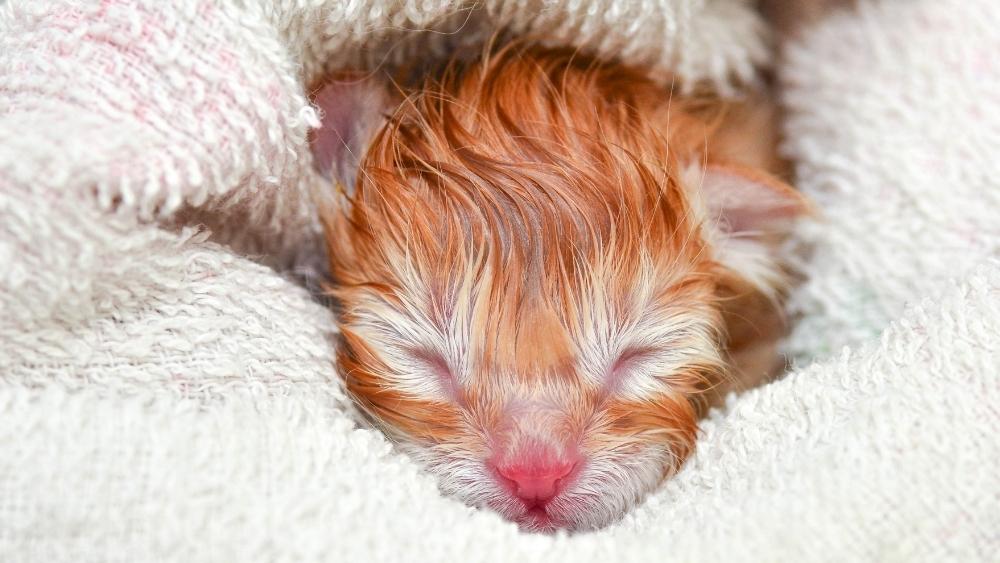
Preventing, Recognizing and Treating Feline Neonatal Isoerythrolysis
Feline neonatal isoerythrolysis (FNI) is a serious, life-threatening condition in [...]
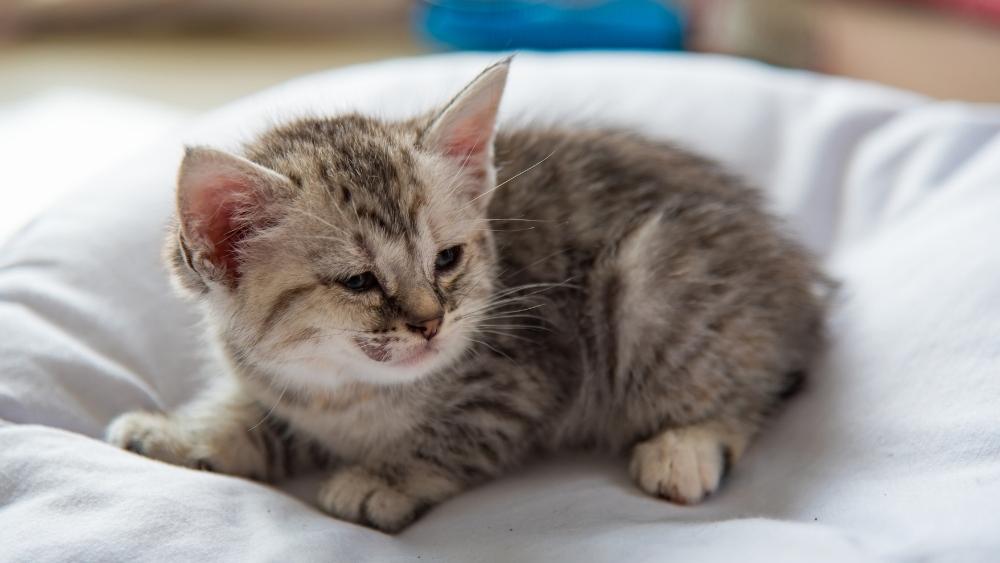
Understanding Feline Calicivirus and Limping Calicivirus
Feline Calicivirus (FCV) is a major cause of Upper Respiratory [...]
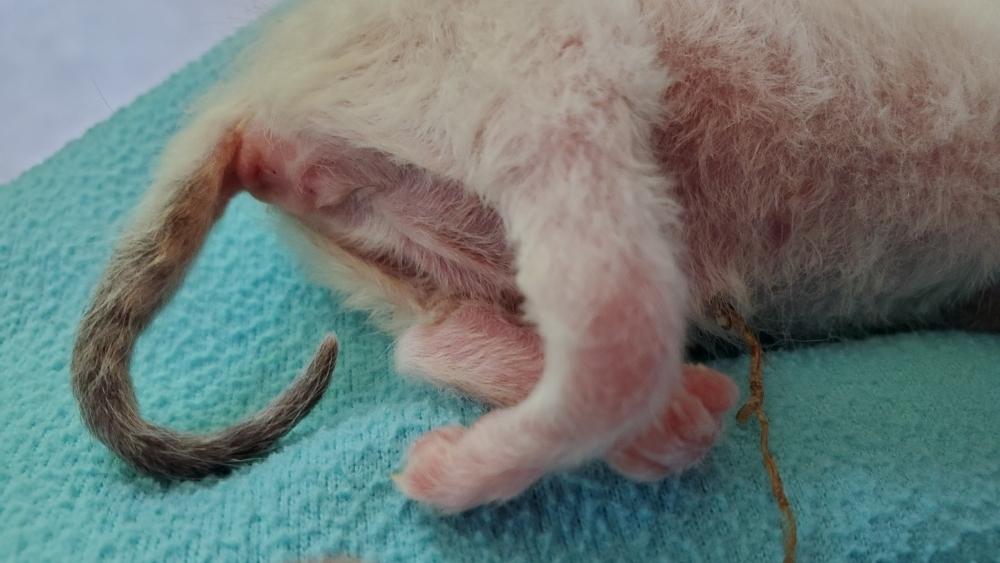
Diving into the Causes and Treatment of Swimmer Syndrome
Swimmer syndrome is a rare disorder in very young kittens, [...]
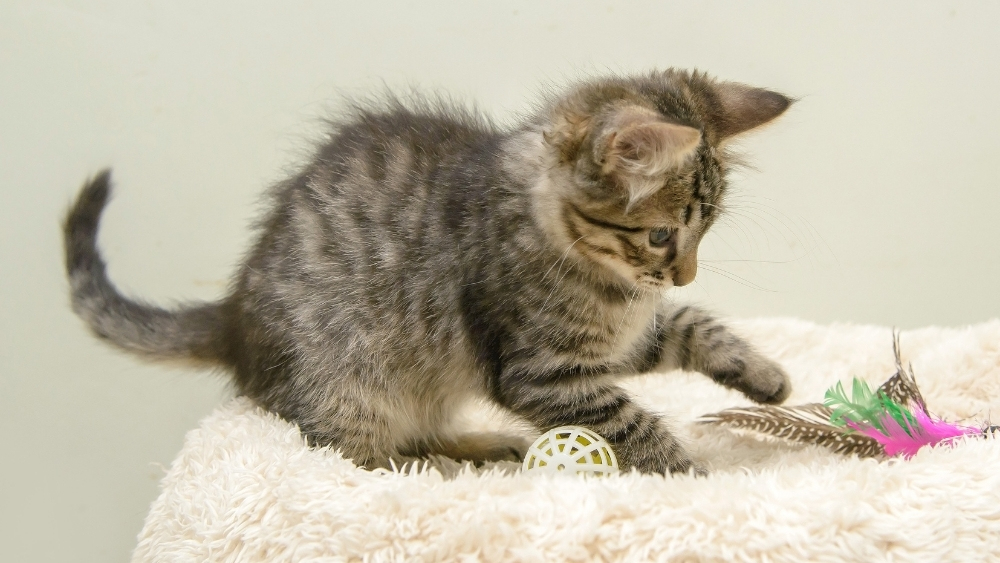
One Is the Loneliest Number: Single Kitten “Syndrome” Behaviors
Have you ever heard an animal shelter or rescue organization [...]
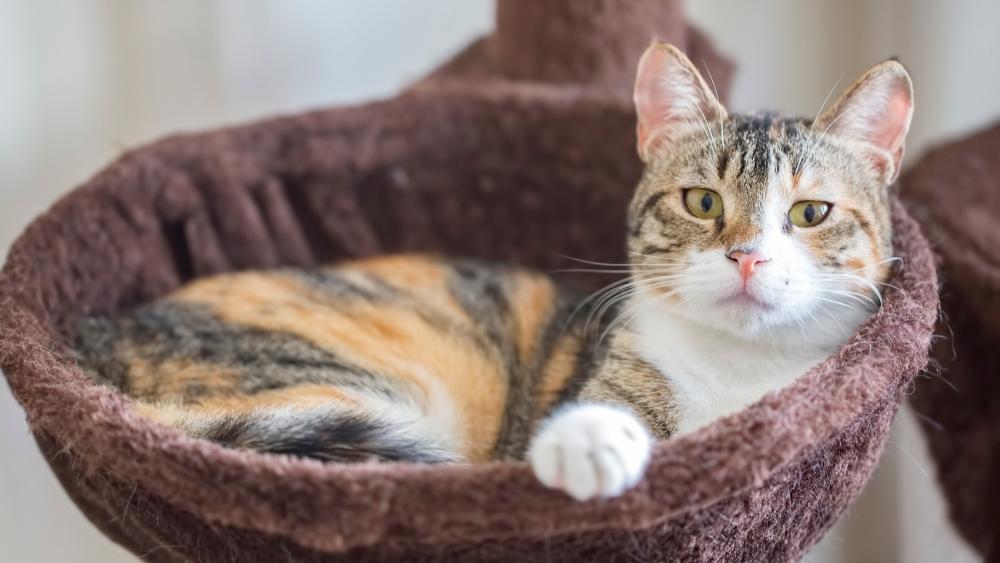
Understanding Feline Leukemia Virus (FeLV) and Supporting FeLV-Positive Cats: Treatment and Prevention
This is part 3 of this 3-part series on FeLV. [...]
Special Focus: Critical Care for Kittens
Special Focus:Understanding and Defeating Feline Infectious Peritonitis (FIP)
Special Focus: Understanding Feline Immunodeficiency Virus (FIV)
Special Focus: Understanding Feline Leukemia Virus (FeLV) and Supporting FeLV-Positive Cats
Kitten Care Tips
All I want for the Holidays… A Kitten’s Wish List
All I really want for the holidays is my very [...]
How to Give a Pet as a Gift
For many of us, the question of whether to give a [...]
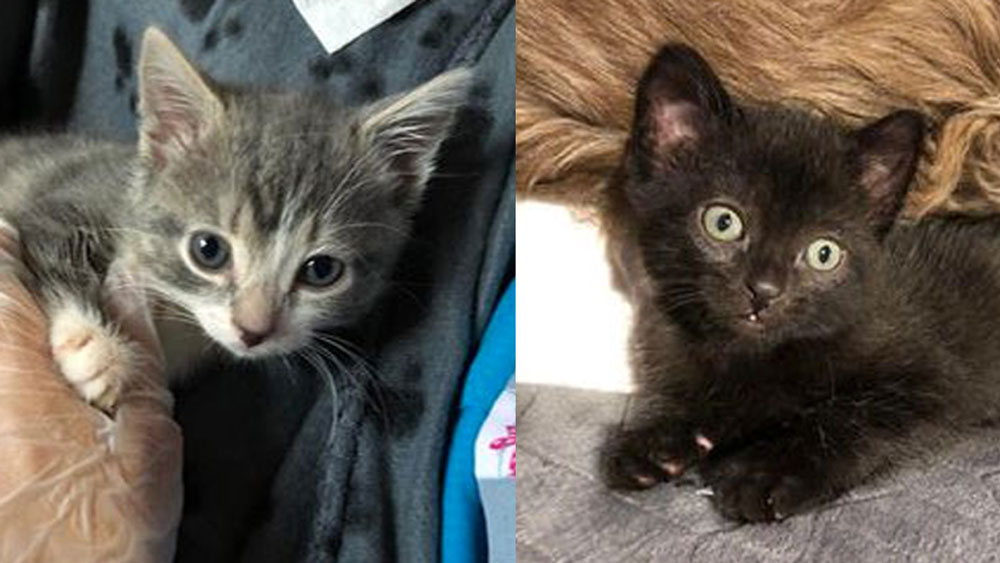
Fighting for Kitten Lives in Ontario
At the beginning of March 2021, Eliska Meadows, along with other [...]
Special Focus:Trap-Neuter-Return
The Kitten Post
To receive The Kitten Post in your inbox, quarterly, sign up for it here!

- Understanding and Managing Allergies to Kittens and Cats January 12, 2026Cats groom themselves two to five hours or 30-50% a day. Normal grooming keeps their hair clean, cools them, and relieves stress by releasing endorphins and providing comfort. Allogrooming (grooming among members of the same species) builds social bonds by creating a common group scent. Allogrooming often indicates hierarchy with higher-ranking cats grooming [...] The […]
- Rectal Prolapse in Kittens September 1, 2024What Is Rectal Prolapse in Kittens? Rectal prolapse, which may develop when kittens repeatedly strain to defecate or urinate, occurs as two main types, which involve both the rectum and the anus, the last parts of the digestive tract through which feces pass. Incomplete/intermittent prolapse occurs when some of the inner rectal tissue [...] The […]
- Fever Coat in Kittens August 4, 2024Fever coat, also known as stress coat, is a temporary condition that results in unexpected fur colors in kittens. The Causes of Fever Coat in Kittens Fever coat, although uncommon, causes the fur’s pigmentation to not develop normally in the womb, which leads to unusual coloring at birth. Possible causes of fever coat [...] The […]
- Understanding and Managing Allergies to Kittens and CatsCats groom themselves two to five hours or 30-50% a day. Normal grooming keeps their hair clean, cools them, and relieves stress by releasing endorphins and providing comfort. Allogrooming (grooming among members of the same species) builds social bonds by creating a common group scent. Allogrooming often indicates hierarchy with higher-ranking cats grooming [...] The […]
- Rectal Prolapse in KittensWhat Is Rectal Prolapse in Kittens? Rectal prolapse, which may develop when kittens repeatedly strain to defecate or urinate, occurs as two main types, which involve both the rectum and the anus, the last parts of the digestive tract through which feces pass. Incomplete/intermittent prolapse occurs when some of the inner rectal tissue [...] The […]
- Fever Coat in KittensFever coat, also known as stress coat, is a temporary condition that results in unexpected fur colors in kittens. The Causes of Fever Coat in Kittens Fever coat, although uncommon, causes the fur’s pigmentation to not develop normally in the womb, which leads to unusual coloring at birth. Possible causes of fever coat [...] The […]