
Kitten Characteristics
Tuesday Tips
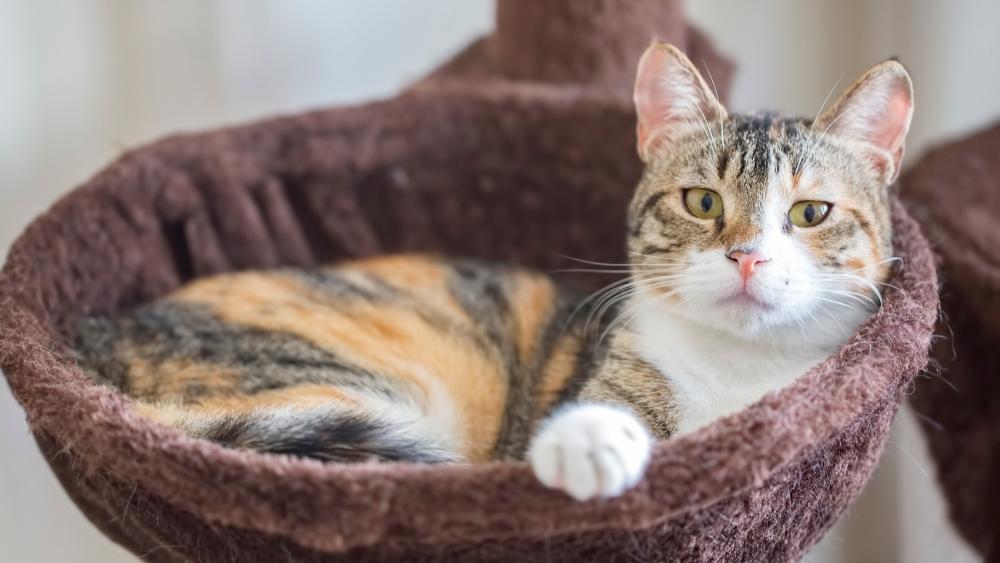
Understanding Feline Leukemia Virus (FeLV) and Supporting FeLV-Positive Cats: Treatment and Prevention
This is part 3 of this 3-part series on FeLV. [...]

Understanding Feline Leukemia Virus (FeLV) and Supporting FeLV-Positive Cats: Symptoms and Diagnosis
This is part 2 of this 3-part series on FeLV. [...]
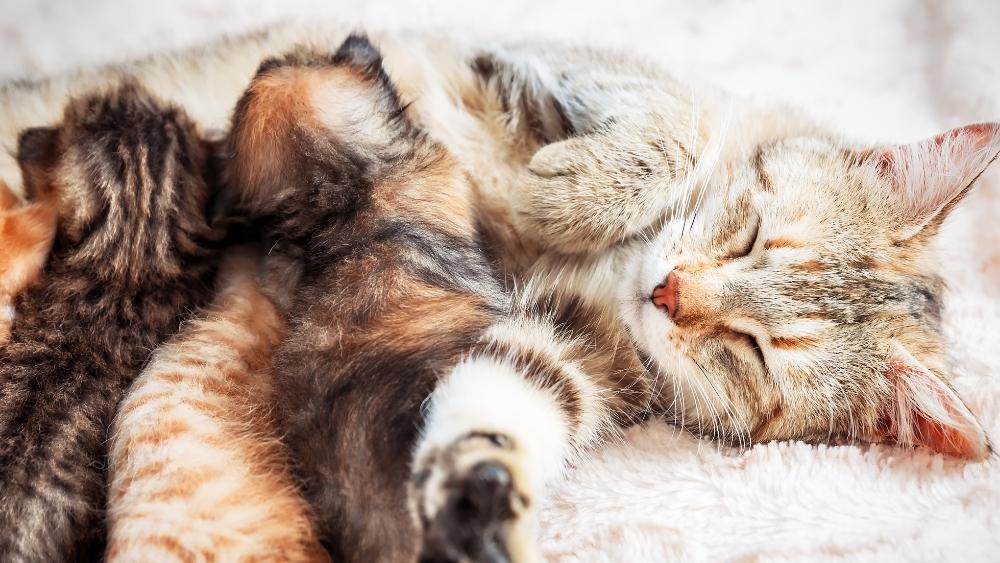
Understanding Feline Leukemia Virus (FeLV) and Supporting FeLV-Positive Cats: Transmission
This is part 1 of this 3-part series on FeLV. [...]
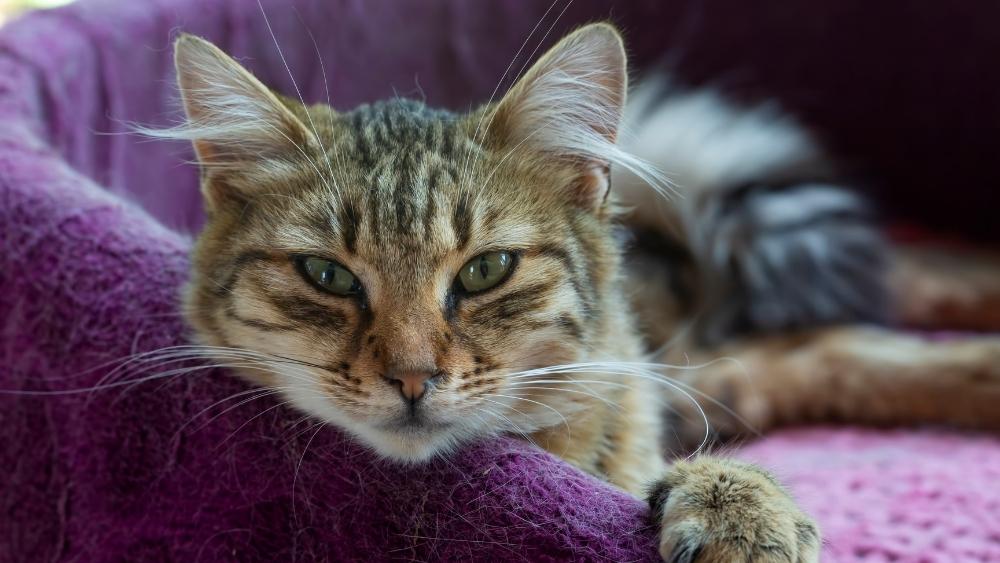
Understanding Feline Immunodeficiency Virus (FIV): Prevention and Support
This is part 3 of this 3-part series on FIV. [...]
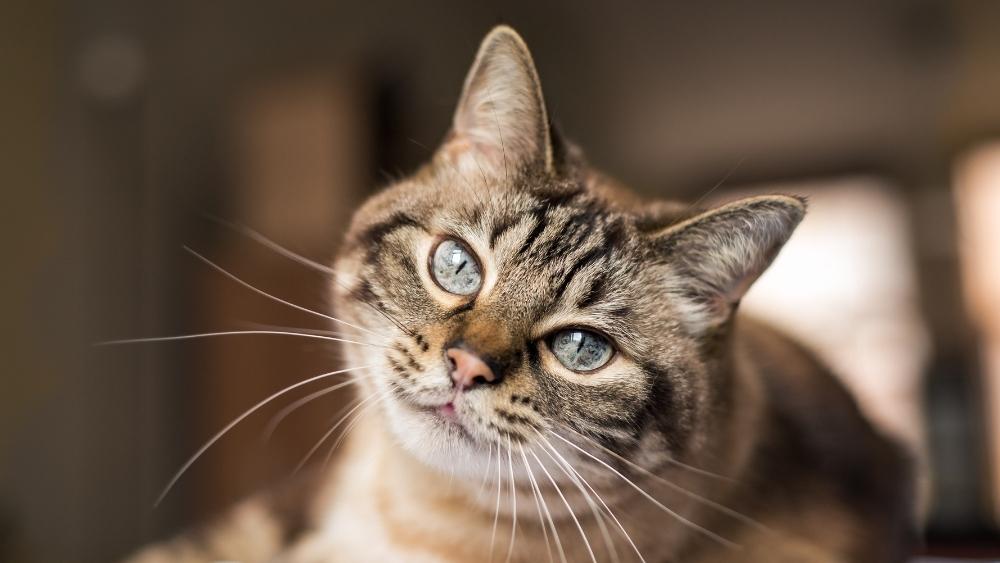
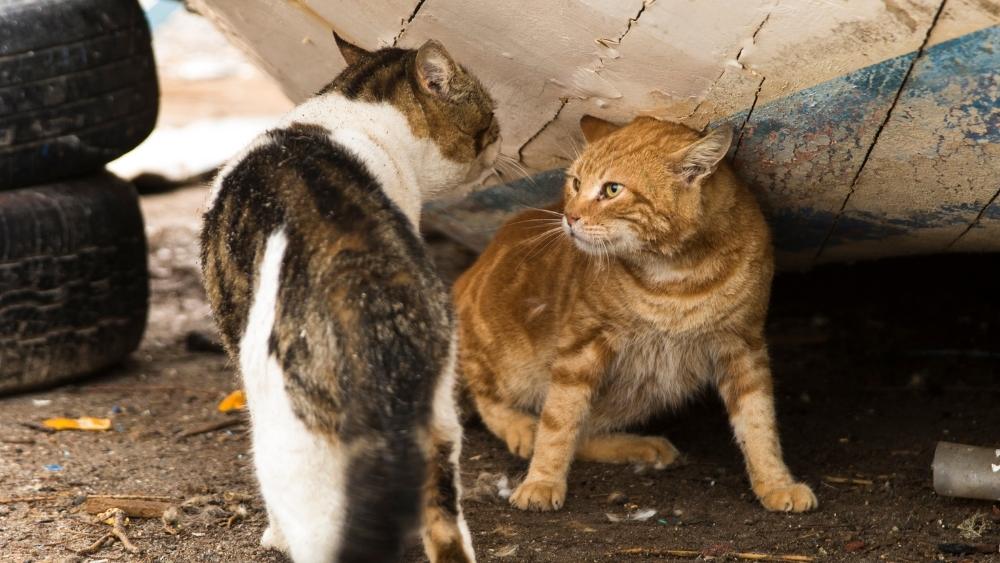
Understanding Feline Immunodeficiency Virus (FIV): Transmission and Testing
This is part 1 of this 3-part series on FIV. [...]
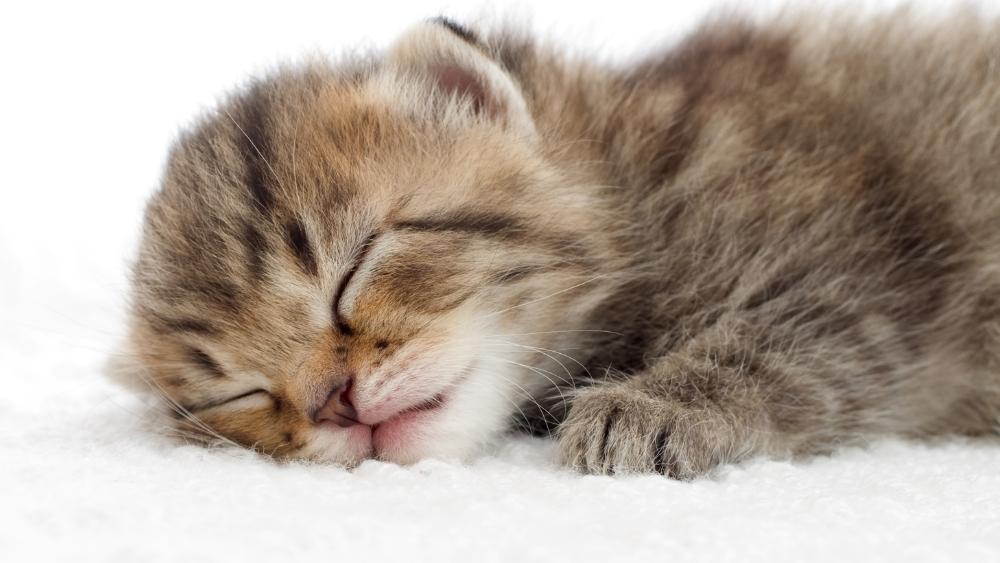
Understanding and Defeating Fading Kitten Syndrome
Fading Kitten Syndrome (FKS), also known as failure to thrive, [...]
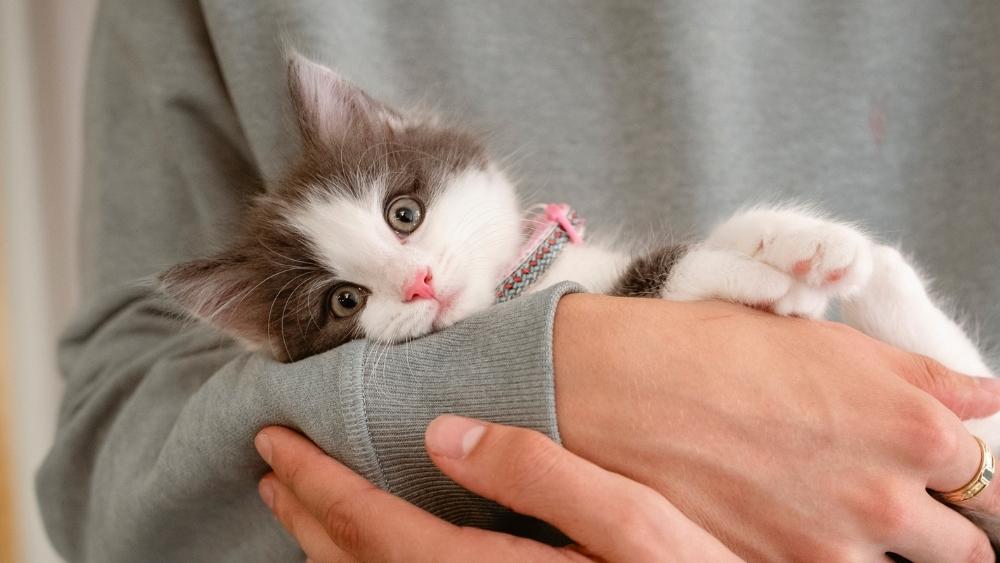
Saving Lives: June is Adopt-A-Shelter-Cat Month
Any time of year is a good time to adopt, [...]
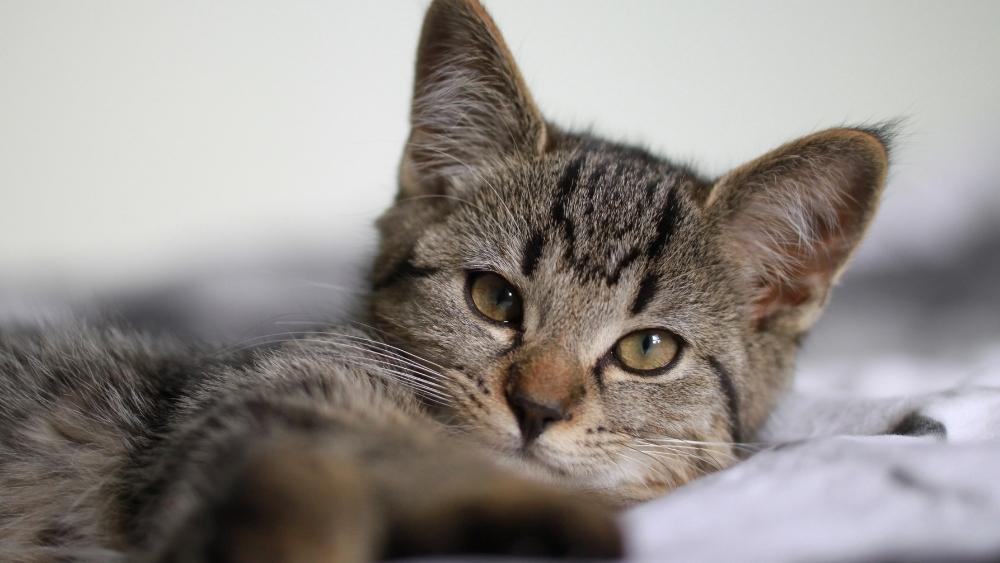
Living the Good Life with Feline Cerebellar Hypoplasia
Feline cerebellar hypoplasia, also known as CH or wobbly kitten [...]
Special Focus: Critical Care for Kittens
Special Focus:Understanding and Defeating Feline Infectious Peritonitis (FIP)
Special Focus: Understanding Feline Immunodeficiency Virus (FIV)
Special Focus: Understanding Feline Leukemia Virus (FeLV) and Supporting FeLV-Positive Cats
Kitten Care Tips
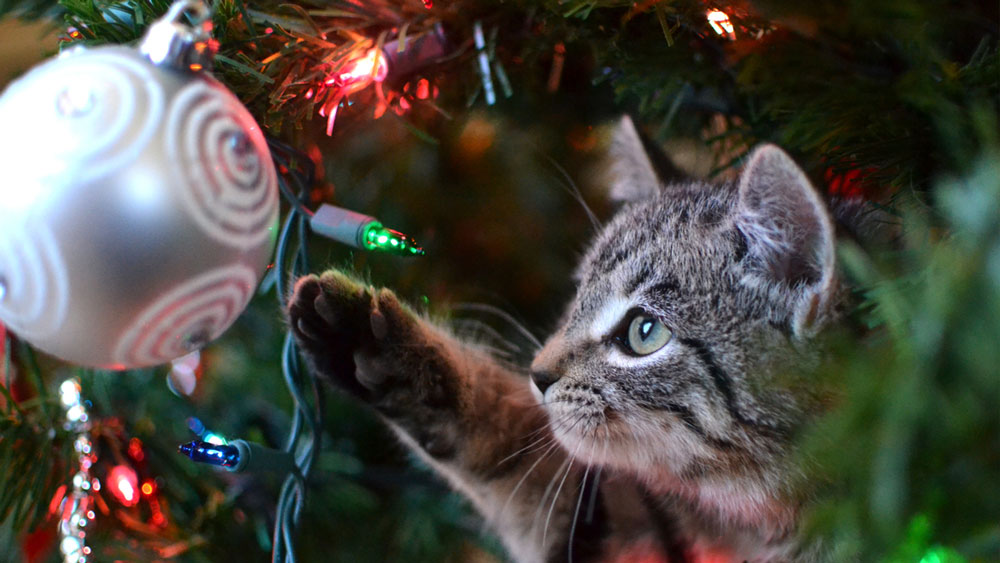
Holiday Tips: Keeping Kittens Safe
Everything is a toy to kittens, who can be injured [...]
Special Focus:Trap-Neuter-Return
The Kitten Post
To receive The Kitten Post in your inbox, quarterly, sign up for it here!

- Identifying Emergency and Urgent Situations in Kittens: What to Do Until Veterinary Care Is Available October 2, 2026Some injuries or symptoms are more urgent in kittens because of their small size and developing immune systems and therefore require faster assessment and treatment than they would in adult cats. However, when in doubt, consider a situation an emergency. If you are fostering for a shelter or rescue organization, follow the emergency [...] The […]
- Increasing Neonatal Kitten Survival with Incubators May 5, 2026The importance of providing environmental warmth for neonatal kittens cannot be overstated. The results of a 2025 study conducted by the University of Davis School of Veterinary Medicine (see Resource Section) suggested that housing kittens in warm conditions (90°F/32°C) and either 50% or 60% humidity optimized weight gain and survival, as well as [...] The […]
- Understanding and Managing Allergies to Kittens and Cats January 12, 2026Cats groom themselves two to five hours or 30-50% a day. Normal grooming keeps their hair clean, cools them, and relieves stress by releasing endorphins and providing comfort. Allogrooming (grooming among members of the same species) builds social bonds by creating a common group scent. Allogrooming often indicates hierarchy with higher-ranking cats grooming [...] The […]
- Identifying Emergency and Urgent Situations in Kittens: What to Do Until Veterinary Care Is AvailableSome injuries or symptoms are more urgent in kittens because of their small size and developing immune systems and therefore require faster assessment and treatment than they would in adult cats. However, when in doubt, consider a situation an emergency. If you are fostering for a shelter or rescue organization, follow the emergency [...] The […]
- Increasing Neonatal Kitten Survival with IncubatorsThe importance of providing environmental warmth for neonatal kittens cannot be overstated. The results of a 2025 study conducted by the University of Davis School of Veterinary Medicine (see Resource Section) suggested that housing kittens in warm conditions (90°F/32°C) and either 50% or 60% humidity optimized weight gain and survival, as well as [...] The […]
- Understanding and Managing Allergies to Kittens and CatsCats groom themselves two to five hours or 30-50% a day. Normal grooming keeps their hair clean, cools them, and relieves stress by releasing endorphins and providing comfort. Allogrooming (grooming among members of the same species) builds social bonds by creating a common group scent. Allogrooming often indicates hierarchy with higher-ranking cats grooming [...] The […]