Share this resource or email it to a friend!
Some injuries or symptoms are more urgent in kittens because of their small size and developing immune systems and therefore require faster assessment and treatment than they would in adult cats. However, when in doubt, consider a situation an emergency. If you are fostering for a shelter or rescue organization, follow the emergency care guidelines provided by that organization. Call the animal shelter, rescue organization, or emergency clinic before going to ensure someone is available to see the kitten when you arrive. They may also be able to advise you over the phone of what to do prior to your arrival. Know where your closest emergency clinic is and how to get there, so you are prepared during a stressful and urgent situation.
Kittens with any of these symptoms or conditions require emergency medical care:
- Respiratory distress, gasping, open-mouthed breathing
- Choking
- Severe lethargy
- Vomiting lasting more than 12 hours
- Diarrhea lasting more than 12 hours
- Constipation
- Bloody feces
- Prolapsed rectum
- Difficulty urinating
- Bloody urine
- Seizure(s), lack of coordination, falling over, circling
- Paralysis
- Laceration, broken bone, or other evidence of trauma
- Eye injury
- Toxin ingestion
- Blue gums
In the event veterinary care is not immediately available, we suggest some ways to care for kittens experiencing the critical symptoms listed above.
NOTE: Although it can be difficult to watch a kitten in distress while waiting for veterinary care, sometimes the best option is to do nothing. Taking the wrong action can make the situation worse, particularly when the cause of the problem is unknown.
Kittens in Respiratory Distress
The normal resting respiratory rate for kittens is up to 40 breaths/minute.
Symptoms of respiratory distress may include:
- Breathing rapidly while at rest
- Breathing is very noisy or raspy
- Breathing with an open mouth
- Gasping for air
- Breathing that involves the abdomen moving more than the chest
- Gums that are gray or blue instead of pink
- A tongue that is blue or purple instead of pink
There are many possible causes of trouble breathing in kittens, including:
- Infectious diseases, e.g., upper respiratory infections (URIs), some of which can cause pneumonia
- Foreign objects stuck in the throat or trachea (windpipe)
- Damage to the lungs caused by trauma
- Allergic reactions
- Congenital heart failure
- Anemia
- Toxins
Kittens who are having trouble breathing may be very stressed, so it is important not to stress them more by chasing them. As calmly as you can, check the kitten’s mouth for any obvious obstruction. Gently clean any nasal discharge with soft cotton squares or a soft washcloth, both moistened with warm water.
Veterinary treatment will include addressing the underlying medical cause for the breathing difficulty and may be accompanied by antibiotics, bronchodilators, rest, oxygen, or nebulization.
A kitten in severe respiratory distress will need immediate veterinary care.
Choking Kittens
It is not uncommon for kittens to explore the world with their mouths. It is important that toys provided to kittens are sturdy and too large to fit into their mouths. A kitten’s environment needs to be cleared of smaller items that have the potential to cause a blockage in the trachea, preventing air from entering the lungs.
Symptoms of choking may include:
- Coughing, retching, or gagging
- Pawing at their mouth
- Rubbing their face
- Salivating
- Generalized distress
- Pale or blue gums
If the kitten is conscious and not too distressed, it may be possible to safely remove the object. If the kitten is not conscious, not breathing, or breathing with great difficulty, open the mouth, pull the tongue forward, and remove a foreign object with your finger or tweezers. Do not pull string, thread, tinsel, etc. unless they easily slide out because they could be stuck on something and pulling could cause more harm. Use caution so as the kitten does not bite during the examination.
A kitten who is choking and is in severe respiratory distress will need immediate veterinary care.
Severely Lethargic Kittens
Severe lethargy symptoms include the kitten is:
- Unwilling or unable to move
- Not playing with other kittens, separating herself from other kittens
- Unable to raise her head
- Unable to hold herself upright
- Under five weeks of age and does not reflexively pull the hind legs up when scruffed
Possible causes of severe lethargy include the kitten:
- Is too hot (hyperthermic)
- Is too cold (hypothermic)
- Is dehydrated
- Has low blood sugar (hypoglycemia)
- Has an infection, e.g., bacterial, viral or parasitic or illness
- Has ingested a toxic substance
- Is in severe pain
- Has a neurological disorder
If you can determine the cause of the lethargy, address that cause. For example:
- Kittens who are too hot should be slowly cooled down; those who are too cold should be gradually warmed.
- If the kitten is dehydrated and you are trained to properly administer fluids subcutaneously, do so. Note: The kitten must have a normal body temperature in order to absorb subcutaneous fluids. Normal newborn kitten body temperature is between 97°F-98°F/36°C-37°C (rectal), with temperatures slowly increasing by one degree each week, reaching 100°F/38°C by four weeks of age. Click to see how to use a thermometer.
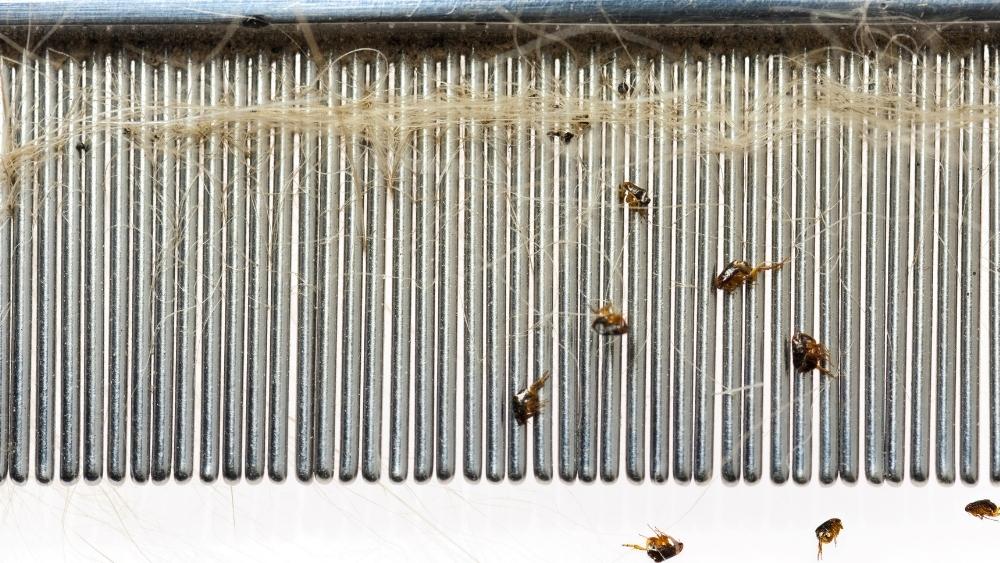
- If the kitten is covered in fleas, use a flea comb or pick off as many as you can. Drown the fleas in a cup filled with warm water. Beware that giving a lethargic kitten a bath may send her into shock. A veterinary, shelter or rescue staff member will have to determine the safest way to remove fleas when a kitten is too sick to tolerate the stress of a bath, too small or too young for flea control products, or needs medical treatment.
- If you suspect the kitten has ingested a toxic substance, call the ASPCA’s Animal Poison Control Center Hotline (888-426-4435), which is available 24/7. While there is a charge for this service, you receive a case number, which provides your veterinarian quick access to the information needed to respond immediately.
- If hypoglycemia is suspected, administer a dab of Karo syrup (light or dark but NOT LITE) on the kitten’s gums or under the tongue to raise her blood sugar level. Continue to administer approximately every 5-10 minutes.
A severely lethargic kitten will need immediate veterinary care.
Vomiting Kittens
Vomiting is active retching (the contracting of abdominal muscles) to expel stomach contents as opposed to regurgitation (the ejection of contents from the esophagus or stomach without abdominal muscle contractions). Vomiting may be mild and brief or severe and persistent and cause rapid dehydration and deterioration within hours in kittens. Take a photo of the vomitus to show the shelter, rescue, or veterinary staff.
Some causes of vomiting include:
- Sudden change in diet
- Intestinal parasites
- Foreign object(s) in the gastrointestinal tract
- Diseases or infections
- Toxic substances, topical or ingested
- Excessive heat
- Medications
- Seizures
If a kitten is vomiting, reduce the portion size or frequency of feeding. If vomiting continues, eliminate food but keep water available. If food is eliminated, administer a dab of Karo syrup (light or dark, but NOT LITE) or Nutri-Cal™ on the gums to maintain the kitten’s blood sugar. If vomiting continues with water, eliminate water. It is critical to monitor the kitten’s hydration frequently. Administer subcutaneous fluids if needed and you are trained to do so.
If you suspect a topical substance is the cause of the vomiting, wash it off. Click for information on bathing. If you suspect the kitten has ingested a toxic substance or a medication is the cause, call the ASPCA’s Animal Poison Control Center Hotline (888-426-4435). If vomiting might be caused by excessive ambient heat, reduce the temperature of the kitten’s environment. If vomiting might be caused by excessive body temperature, gradually reduce the kitten’s body temperature because dropping their temperature too quickly can cause fatal shock. Never use ice packs, ice baths, or ice-cold water on a neonate; never feed overheated or stressed kittens because they cannot properly digest their food.
A kitten who has been vomiting for 12 hours will need veterinary care.
Severe Diarrhea
Diarrhea is defined as loose, watery stools that do not hold their form (Kitten Stool Identification Chart). Diarrhea can be life threatening in kittens because the fluid loss from diarrhea can cause dehydration or an electrolyte imbalance.
Diarrhea has many potential causes, including:
- Diet: Overfeeding, feeding food that is too rich, feeding too frequently, or sudden change in diet (switching food brands or types)
- Weaning: Switching from the queen’s milk or kitten milk replacement formula to solid food, compounded by the emotional stress of having to learn a new way to eat
- Infections: Viral, bacterial, or parasitic
- Environmental reasons: Changes of location, e.g., to a different room, building/home, caregiver, adoption, etc., an assault on the senses, e.g., loud music, strong smells, perceived dangers from other animals which cause stress
- Stress or emotional upset: from environmental causes, surgery, inappropriate or excessive handling
- Medications: e.g., dewormers, antibiotics, drugs, or vaccines
- Toxins or allergens: These may be ingested, inhaled, or absorbed through the skin
- Unbalanced intestinal flora: These include beneficial and harmful bacteria
A veterinarian will need to assess the cause of the diarrhea and appropriate treatment. Generally, however, there are some things you can do while you wait.
Diarrhea in Bottle Kittens
In the event the diarrhea is related to food and before a veterinary exam is possible, follow these steps:
- Formula mixture: Confirm that the formula has been mixed appropriately per the package instructions.
- Spoiled food: Check that the milk replacement formula is not spoiled. Powdered formula should smell sweet, not rancid. Any mixed formula that was previously warmed, left at room temperature for more than an hour, or contaminated with saliva should be discarded. Do not use powdered and canned formula past the expiration date on the container, and always store formula according to the manufacturer’s instructions on the container.
Diarrhea in Kittens of Any Age
- Spoiled food: Check that the wet food that has been unrefrigerated has not gone bad. The amount of time wet food can remain unrefrigerated will vary with the environment among other factors; some recommendations are as short as one hour.
- Overfeeding: If you suspect the cause of diarrhea is overfeeding, slightly increase the time between feedings or slightly decrease the amount given at every feeding.
- Stress: Identify possible stress factors, e.g., a barking dog, overhandling, strong odors, ambient temperature, active littermates, and eliminate or minimize them as much as possible.
- Toxins: Remove any possible toxins from the kitten’s environment. If you suspect the kitten has had a toxic exposure, call the ASPCA’s Animal Poison Control Center Hotline (888-426-4435), which is available 24/7. While there is a charge for this service, you receive a case number, which provides your veterinarian quick access to the information needed to respond immediately.
Additional things you can do while you wait for advice from the shelter, rescue, or veterinary staff include providing:
- Fluids: If the kitten is alert and able to swallow, replace the fluid loss from diarrhea by giving the kitten additional fluids. A kitten-safe electrolyte solution such as Kitten Lyte™ can be offered. Additional water can also be added to wet food.
- Probiotics: Provide a probiotic, such as FortiFlora™, to help reestablish the beneficial intestinal flora that may have been lost due to the diarrhea.
Constipation in Kittens
Constipation is defined as infrequent, incomplete, or difficult defecation. It is important to address constipation immediately in order to avoid complications. Depending on the age of the kitten, constipation will require a slightly different approach. Click for information on dealing with constipation.
Constipation in Neonatal Kittens
The most common symptom of constipation in orphan neonatal kittens is infrequent or complete lack of defecation. Constipated kittens may appear bloated, and firm feces are typically palpable in the abdomen. Constipation can be due to a variety of reasons, including improper stimulation technique, infrequent stimulation, improper diet or diet intolerance, and even some drugs or medications.
When kittens are with their queen, she typically consumes their feces as she cleans and stimulates them, making it more difficult for caregivers to assess defecation. It is much less likely that kittens nursing a queen will develop constipation, but these kittens should be evaluated each day. As you weigh them daily, feel if their abdomen is bloated and firm, an indication that a kitten is potentially constipated.
Although specific treatments depend on the cause of the constipation, there are a few things that caregivers can do immediately prior to seeking veterinary care, including:
- Stimulation: When constipation is suspected, evaluate and potentially modify the stimulation technique, frequency, or duration. If the kitten is with the queen but has become bloated, you will need to stimulate the kitten to defecate. Stimulate for two or three minutes or until the kitten finishes pushing feces out. If the kitten is an orphan and you have been stimulating before and after each feeding, you may need to stimulate longer. Lowering the kitten’s back end into a bowl of warm water and massaging the abdomen and stimulating the anus may help the kitten to defecate. Be sure to completely dry and keep the kitten warm afterward. Click to learn how to stimulate.
- Fluids: Increase oral fluid intake. Start oral fluid supplementation, water, or kitten-approved electrolyte replacer, separate from feedings of kitten milk replacer. The increased water intake should soften the feces and aid the kitten’s ability to eliminate.
- Laxative: Offer MiraLAX®, an over-the-counter laxative that is extremely safe for use in kittens. To prevent kittens from forming food aversion due to an added substance in the formula, it is best to administer MiraLAX® separately from the kitten milk replacer. In addition, due to the small size of neonatal kittens, it is best to dilute a dose of MiraLAX® in 8mL of water and give in incrementally larger amounts per feeding, starting with 0.1mL/feeding for a kitten. Although mineral or vegetable oil and fiber supplements such as pumpkin are often recommended online and are not toxic to kittens, MiraLAX® is considered the safest option by veterinary professionals.
- Enema: Do not administer an enema unless you are trained to do so and have the correct type of solution for kittens. Be aware that over-the-counter enema solutions for humans are toxic to cats and kittens.
Constipation in Weaned Kittens
Weaned kittens typically have a bowel movement every day or every other day. They may be constipated if they have not defecated by the third day.
The most common symptoms of constipation in weaned kittens are:
- Infrequent defecation
- Defecation of small, firm, or hard feces
- Complete lack of defecation
- Bloated or firm abdomen
- Firm or excessive feces palpable in the colon
- Straining to defecate
- Defecating outside the litter box
- Atypical vocalizing when trying to defecate
- Lethargy, anorexia, or vomiting
Constipation in weaned kittens can be due to a variety of reasons, including:
- Weaning/diet change
- Diet intolerance
- Parasites
- Dehydration
- Trauma or injury
- Congenital defects, such as atresia ani
- Foreign material such as hair ties or pieces of toys causing GI obstruction which may seem like constipation
Although specific treatments depend on the cause of the constipation, there are a few things that a caregiver can do for a weaned kitten until veterinary care is available. These include::
- Fluids: Increase oral fluid intake, either by supplementing an electrolyte solution orally, offering wet food, or adding water to the current wet food diet to create a gruel.
- Laxatives: Administer MiraLAX®, either as a mixed solution as described above or directly mixed in with food. If adding directly to food, give 1/16th of a teaspoon every 12 hours. If the kitten is then unwilling to eat the food with the MiraLAX® mixed in, administer it separately via syringe in a water solution. Alternatively mix it with tuna water or other tasty lickable treats.
- Activity: Proper exercise and play are also important in helping kittens to defecate.
- Enema: Do not administer an enema unless you are trained to do so and have the correct type of solution for kittens. Be aware that over-the-counter enema solutions for humans are toxic to cats and kittens.
Bloody Feces in Kittens
Small amounts of bright red (frank) blood on the feces may not indicate a life-threatening situation, but should be monitored carefully especially when dealing with kittens. The first bowel movement (meconium) of a newborn kitten is black and somewhat tarry; however, subsequent black, tarry bowel movements indicate a serious problem.
Blood in feces may have many causes, including:
- Internal parasites
- Diet change
- Straining to defecate
- Foreign body
- Severe stress
- Toxins
Short-term treatment for blood in feces depends on whether it is red or black:
- If the blood is red, continue to monitor the kitten and follow up with the shelter, rescue, or veterinary staff as soon as possible.
- If the blood is black, it is a life-threatening emergency.
Prolapsed Rectum
There are two main types of rectal prolapse in kittens. They are:
- Incomplete/Intermittent prolapse, which occurs when some of the inner rectal tissue protrudes through the anus. When straining stops, the rectal tissue will usually retract and no longer be visible.
- Complete/Persistent prolapse, which occurs when all of the inner rectal tissue everts (turns inside out) and protrudes through the anus. It looks like a dark pink tube if it has recently prolapsed.
Rectal tissue that continues to protrude from the anus will become dark red and swollen. Sores, crusts, and discharge may also be seen, and the tissue may begin to dry out. This can result in death of the tissue, which causes it to blacken, followed by systemic infection, known as sepsis. This condition requires immediate veterinary attention.
Diarrhea due to intestinal parasites is the most common cause of rectal prolapse in kittens and may be caused by straining, which weakens the tissue that supports the rectum. Some other conditions that cause straining in kittens are constipation, dehydration, and obstruction of the colon or rectum due to ingestion of a foreign object.
The symptoms of rectal prolapse may include:
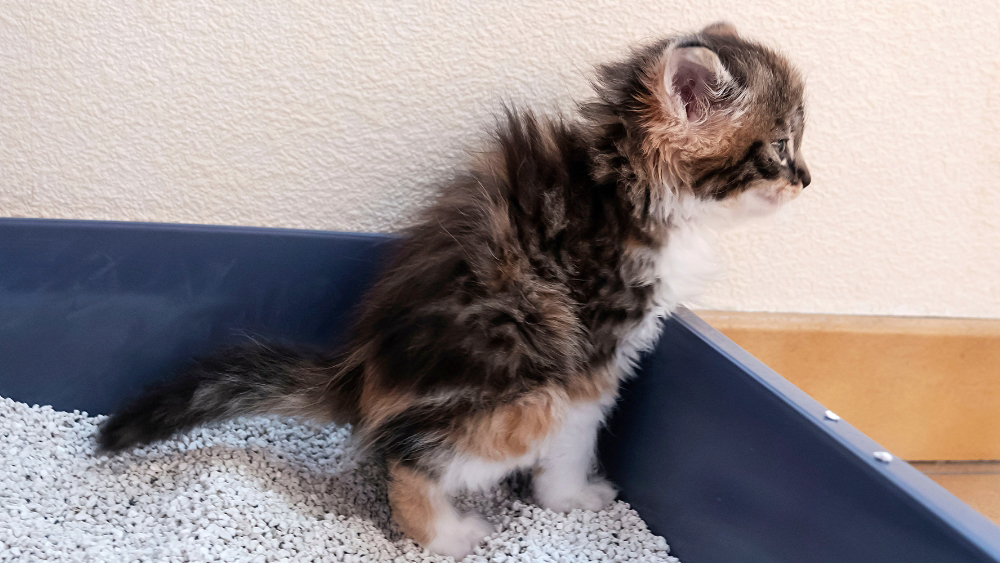
- Spending a lot of time in the litter box
- Straining to defecate
- Vocalizing when defecating, an indication of pain
- Defecating frequently
- Defecating feces that are small and dry
- Licking the anus frequently
- Swelling and redness around the anus
- Tube-like tissue outside the anus
- Depression
- Lethargy
- Loss of appetite
Keep the tissue moist by gently covering it with a clean cloth saturated with warm water, a saline solution, petroleum jelly, or water-based lubricating jelly, and try to prevent the kitten from licking or chewing the tissue to give the prolapse the best chance for repair. Click for more information on rectal prolapse.
Difficulty Urinating in Kittens
It is important to monitor how frequently a kitten urinates each day. Kittens who have difficulty urinating may have a blockage of their urethra. This tends to be more common in males due to their urethral anatomy. This may be a life-threatening situation in male kittens as toxins build up in their bodies, which may quickly cause irreversible organ damage or death.
Symptoms of a urinary blockage, partial or complete, may include:
- Attempting to urinate frequently
- Straining to urinate
- Passing small amounts of urine
- Passing blood in the urine
- Urinating outside the litter box
- Crying while urinating or attempting to urinate
- Licking the genital area frequently
- Hiding and restlessness due to pain
- Having an extended and firm abdomen
- Vomiting
- Lethargy
A kitten who is having difficulty urinating will need to be evaluated by a shelter, rescue, or veterinary staff.
Bloody Urine in Kittens
Blood in the urine may be caused by a urinary tract irritation, infection, or blockage. As noted in Difficulty Urinating, a blockage requires emergency attention. Blood caused by irritation or infection requires prompt, but not emergency, treatment.
Be aware that what may appear to be bloody urine from a bottle baby kitten may in fact be due to flea feces or kitten feces that contaminate the urine during stimulation to eliminate. This is seen as a rust color on the toilet paper or tissue used when stimulating.
A kitten with blood in the urine will need to be evaluated by a veterinary professional as soon as possible.
Seizures in Kittens
A seizure results from a sudden short circuit in the brain when a group of brain cells fire off too many electrical signals all at the same time.
The symptoms of a seizure include:
- Muscle twitching and/or jerking of the limbs
- Uncontrollable shaking
- Collapsing
- Foaming at the mouth and/or drooling
- Involuntary defecation and/or urination
- Restlessness, attention seeking, and/or hiding
- Disorientation and/or circling
- Loss of consciousness
In kittens, some of the causes of seizures include:
- Products that are toxic to kittens and cats, such as shampoos with tea tree oil and flea and tick products
- Hypoglycemia (low blood sugar)
- Heat stroke, a life-threatening form of hyperthermia
- Medications
- Head trauma
- Rabies and other diseases, such as feline infectious peritonitis (FIP), feline leukemia virus (FeLV), feline immunodeficiency virus (FIV), toxoplasmosis, and cryptococcosis
- Congenital epilepsy
Remove dangerous objects, and separate from other animals if possible. Do not pick the kitten up; instead, surround the kitten with soft materials to prevent injury to the kitten or yourself. Keep calm, and make written notes of each seizure’s duration, symptoms listed above, and the kitten’s behavior after the seizure.
Be aware of the possibility of a rabies viral infection with any kitten who has paresis (muscle weakness or partial paralysis,) paralysis, or neurologic symptoms, such as seizures, and use caution so as not to be bitten when handling.
Have the kitten evaluated by a shelter, rescue, or veterinary staff as soon as possible.
Paralysis in Kittens
Paralysis is a complete loss of muscle or nerve function causing an inability to move one or more areas of the body. Causes may include:
- Traumatic injuries
- Toxins
- Aberrant parasites, e.g., Cuterebra larva (botfly) that migrate through the nervous system and brain; aberrant means the parasite has wandered away from its normal hosts, rabbits and rodents, and is accidentally affecting kittens
- Inflammation or infection of the muscles or nervous system (the brain, spinal cord, and peripheral nerves)
- Blood clots
- Genetic defects
Symptoms, which can vary based on the cause of the paralysis, may occur suddenly or worsen over time. Symptoms may include:
- Inability to move one or more areas of the body
- Lack of reaction to stimuli or pain
- Inability to control urination or defecation
- While technically not paralysis, some symptoms of paresis (partial loss of muscle or nerve function) that might presage paralysis include uncontrolled movements, slow movements, improper or unsteady gait, or stumbling
Contain the kitten in a small, safe environment, such as a carrier or playpen. Keep the kitten comfortable and clean. If the kitten can still swallow, continue to provide food and water.
Be aware of the possibility of a rabies infection with any kitten who has paresis, paralysis, or neurologic symptoms, such as seizures, and use thick gloves when handling.
Lacerations and Traumatic Injuries in Kittens
A laceration is a cut or tear that damages the skin and potentially muscle and other tissue.
A deep laceration may be accompanied by the following signs:
- Severe or uncontrolled bleeding, which may lead to muscle weakness, difficulty breathing, and abnormal mental state or loss of consciousness
- Lameness in the limb experiencing the laceration
Contain the kitten in a small, safe environment, such as a carrier or playpen. Keep the kitten comfortable and clean. If the kitten can still swallow, continue to provide food and water.
Have the kitten evaluated by a veterinary professional as soon as possible.
Eye Injury
A kitten with a minor eye injury may have some of these symptoms:
- Increased blinking, squinting, or tearing
- Keeping the eye closed
- Redness in the eye
- Yellowy discharge
- Pawing at the eye
If the symptoms are minor and the kitten is calm, you may try to examine the eye. Do not try to remove any object with tweezers or your fingers as this may cause more damage. If you can see an object in the eye, wrap the kitten in a towel, and lightly flush the eye with eye saline solution (not contact lens solution) to remove debris.
A kitten with a major eye injury may have some of these symptoms:
- Major bleeding within the eye
- A foreign object protruding from the eye
- Distorted pupil
- Cloudy cornea
- Deformity in the shape of the eyeball
- Protruding eyeball
- Severe pain
Eye injuries need to be evaluated by a veterinary professional on an emergency basis as improper at-home care or treatment can lead to loss of vision.
Toxin Ingestion
Because of their size, even a small amount of a toxic substance can be very dangerous to kittens. Many topical flea products, including shampoos, dips and collars, can be toxic to kittens. If you suspect flea product toxicity, immediately bathe the kitten with warm water and a mild dishwashing liquid, such as Dawn® Original blue dish soap. Thoroughly rinse, dry, and keep the kitten warm.
Symptoms of toxicity may include, but are not limited to:
- Vomiting
- Excessive salivation/drooling
- Tremors, seizures, ataxia (wobbly gait), collapse, coma
- Bleeding, internal or external
- Pale gums
- Redness or swelling in or around the mouth
- Diarrhea
- Lethargy
- Hyperexcitability
- Loss of appetite
- Abdominal pain
- Increased or decreased heart rate
- Increased or decreased respiratory rate
- Increased drinking and urination
Immediately contact a veterinary professional if you feel that your kitten has:
- Directly eaten something potentially toxic
- Indirectly eaten something toxic while grooming contaminated fur
- Absorbed toxins, such as tea tree oil, through the skin, particularly the paws
- Inhaled the toxin, such as carbon monoxide and smoke
Note: The normal neonatal heart rate can be over 200 beats/minute (range 220-260).
If you know what toxin was ingested, the shelter, rescue, or veterinary professional will tell you if the kitten needs urgent attention. If you are unable to reach anyone, contact an emergency veterinary clinic for further instructions, and to be sure they can see you. Take the container the toxin was in, the plant, or substance and, if the kitten vomited, bring that because it may help identify the toxin. If you cannot reach an emergency veterinary clinic, contact an animal poison control center, such as the ASPCA’s Animal Poison Control Center Hotline (888-426-4435) which is available 24/7. While there is a charge for this service, you receive a case number which provides shelter, rescue, or veterinary staff quick access to the information needed to respond immediately.
Never give hydrogen peroxide to your kitten to try to induce vomiting. Some toxins may cause damage to the digestive system if vomited. In addition, kittens may aspirate (inhale the vomit into their lungs), which may cause more problems than the toxin.
Cyanosis (Blue Gums/Skin)
Cyanosis is caused by inadequate levels of blood oxygen and results in a bluish discoloration of the gums, tongue, skin, and mucous membranes of the body, often accompanied by panting and open-mouthed breathing.
Some of the conditions that can lead to cyanosis include:
- Hypothermia (low body temperature)
- Hypoglycemia (low blood sugar)
- Congenital heart defects
- Aspiration pneumonia
- Choking
- Smoke inhalation
- Electrical shock
- Exposure to toxins
Any kitten who is cyanotic will require immediate emergency veterinary care. Always contact the shelter, rescue, veterinary practice, or emergency hospital before going to be sure someone is available to see the kitten.
In summary, recognizing urgent and emergency situations and providing at-home treatment until veterinary care is available gives vulnerable kittens their best chance to recover.